
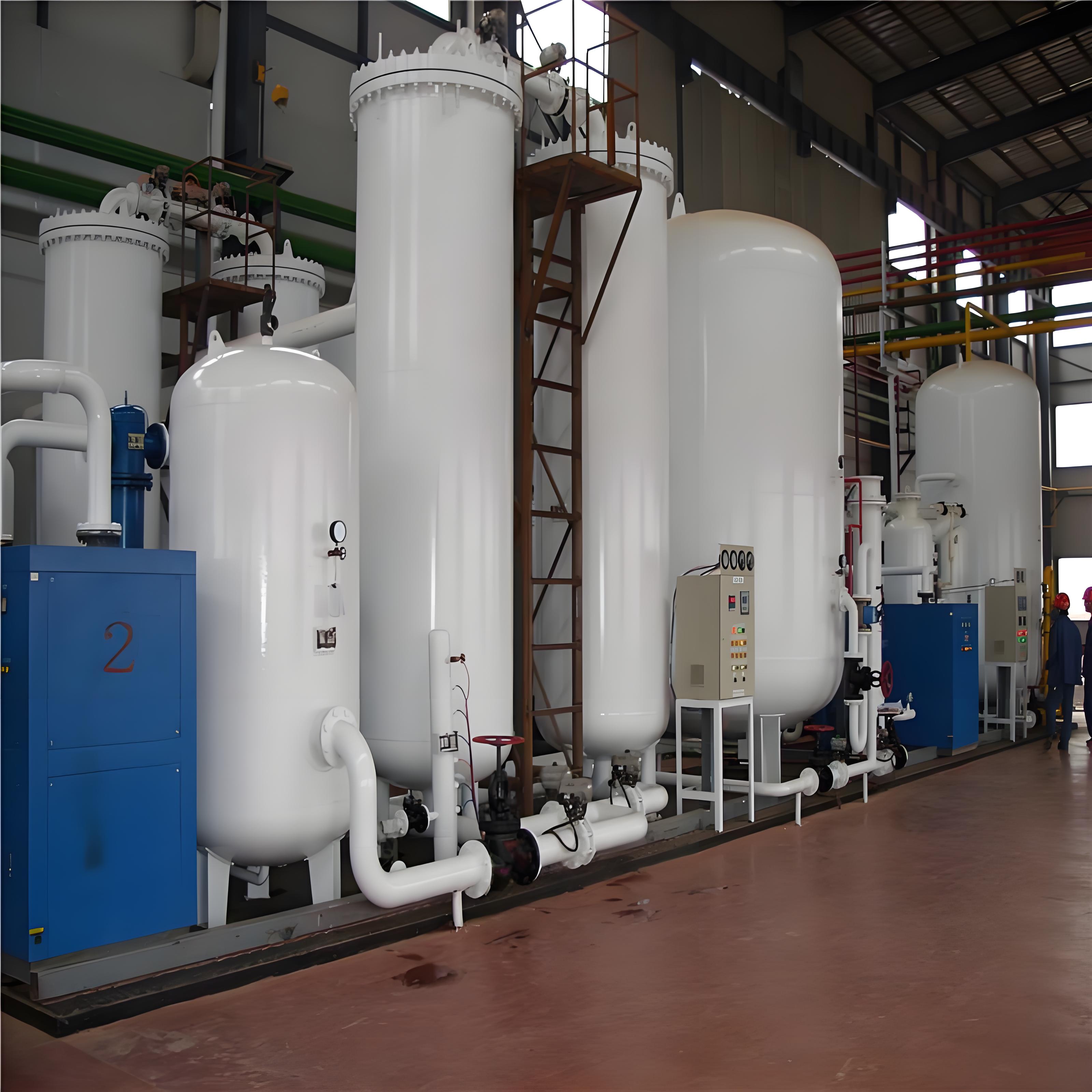
During oil-gas separation, foaming occurs due to pressure drops and temperature fluctuations, causing dissolved light hydrocarbons to form stable foam layers. This results in a "false liquid level," disrupting level control and reducing oil-water separation efficiency. In Yangsanmu Oilfield, foam layers up to 1.2 meters thick reduced separator efficiency by 40% and increased water content in dehydrated crude.
Chemi Tech's specialized defoamer addresses this through three mechanisms:
Elasticity disruption: Silicone-modified components penetrate foam lamellae, inhibiting surfactant self-repair and enabling rapid collapse under shear;
Accelerated drainage: Reduces interfacial tension below 28mN/m, thinning liquid films for sub-15-second response;
Thermal stability: Maintains activity at 80-120°C, avoiding thermal deactivation common in conventional defoamers.
A case study at an onshore oilfield demonstrated results with 0.05% dosage:
False level fluctuations reduced from ±30% to ±5%, cutting control valve adjustments by 70%;
Crude throughput increased 32% with dehydrated oil含水量 below 0.8%;
Crude carryover losses dropped 90%, saving $300K annually.
Chemi Tech's Defoamer can be direct injected into first-stage separator feedlines eliminates dilution needs. 48-hour foam suppression significantly reduces dosing frequency, ideal for space-constrained offshore platforms.