
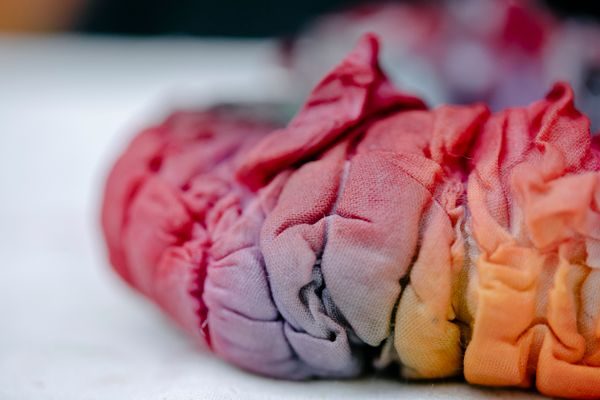
Uneven dyeing, color spots and fabric staining are often caused by uncontrolled foam. In the pretreatment, dyeing, printing and finishing stages of textile dyeing and printing, foam is generated frequently due to the heavy use of surfactants. Once foam gets out of control, it not only affects dyeing uniformity but also slows the line speed and output of continuous processing.
The Root of Foaming Lies in the Auxiliaries
Scouring agents, penetrating agents, leveling agents and soaping agents are themselves foaming substances; while giving the fabric good treatment effects, they also raise the foaming tendency of the system. Precisely because of this, defoamers for dyeing and printing must be able to work together with these auxiliaries and maintain stable defoaming ability under high temperature, high shear and complex chemical environments.
Temperature and Alkali Resistance Are Hard Thresholds
Pretreatment processes are often in high-temperature, strongly alkaline environments, while some dyeing processes take place under acidic conditions. If a defoamer lacks sufficient resistance, it will fail or precipitate under these conditions, leaving oil spots on the fabric instead. In practice, companies usually select different types of defoaming products according to the pH and temperature conditions of the process, and confirm them through pilot tests on continuous processing lines.
Compatibility Cannot Be Ignored
Some defoamers may antagonize leveling agents or fixing agents, affecting dyeing uniformity or color fastness; residual defoamer may also change the hydrophilic properties of the fabric and interfere with subsequent finishing. Before introducing a new defoamer, in addition to its defoaming effect, one must also watch its potential impact on shade, color fastness and fabric handle.
As the dyeing and printing industry shifts toward low carbon and water saving, low-COD and readily degradable defoamers better meet the requirements of green dyeing and finishing. Choosing the right defoamer can reduce rework and downgrading caused by foam, and also help lower overall energy consumption and environmental pressure.