
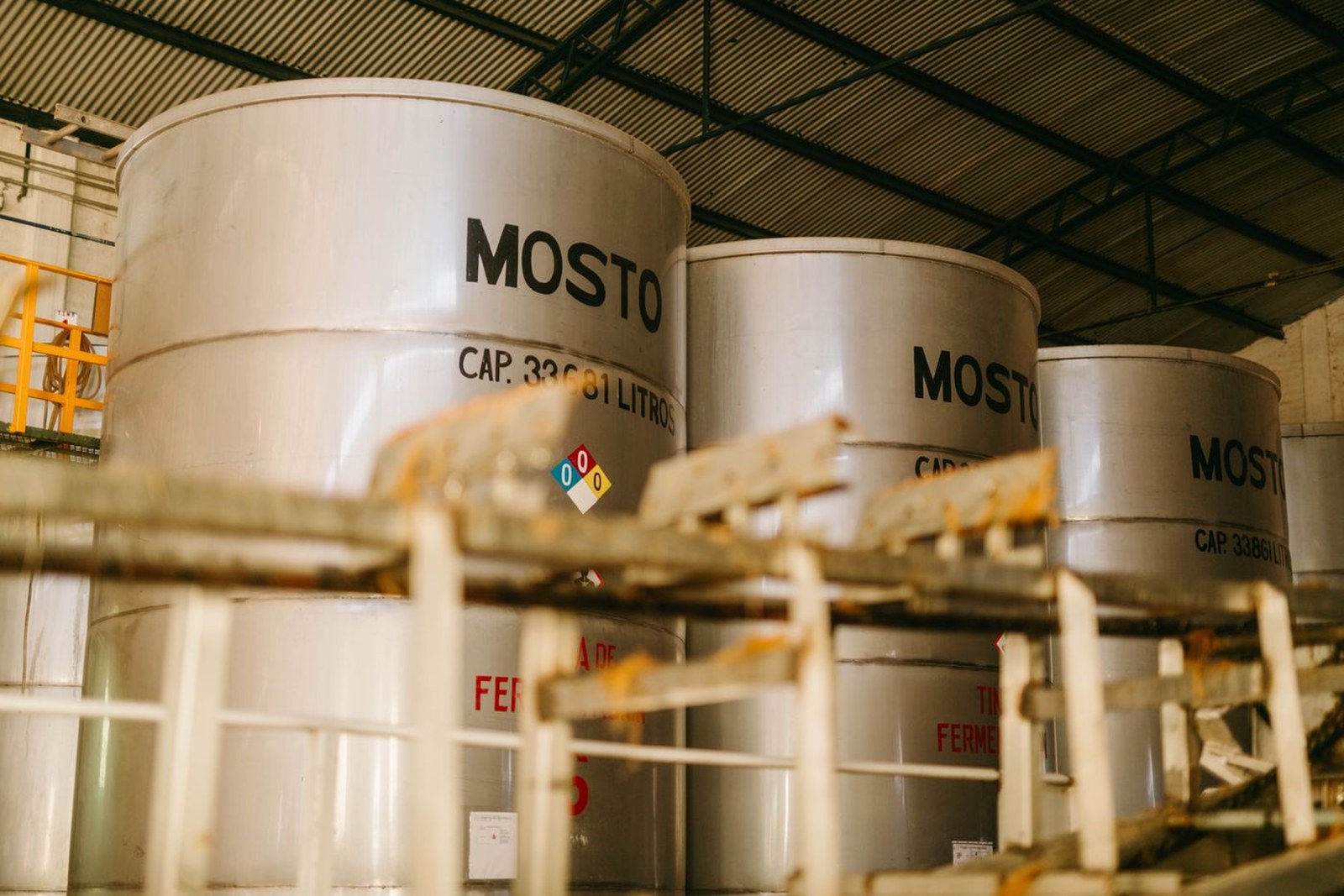
Live shot of a group of large fermentation tanks in a fermentation workshop
Once aeration is increased in the fermenter, foam keeps accumulating with microbial metabolism; the level reading is distorted, the risk of tank overflow and broth loss grows batch by batch, and both the harvest cycle and extraction yield come under pressure together.
Chemi Tech launches the KM-833 series defoamer for microbial fermentation and industrial sugar-processing systems, with the addition level set flexibly against aeration rate and medium solids. This grade is a defoamer dedicated to aqueous fermentation broth, specially formulated to eliminate foam in aqueous fermentation liquor; it is gentle to microbial growth, does not bleed or float oil, and does not add burden to downstream extraction. Based on measured foam height and harvest-cycle data inside the tank, the precise dosage of the KM-833 series can be defined.
Chemi Tech Defoamer Advantages
The Chemi Tech KM-833 series defoamer is formulated for microbial fermentation and sugar-processing systems. Defoaming is fast — tank foam is removed before the level is distorted; foam suppression lasts long, a single dose covers the whole fermentation cycle; it is gentle to microbial growth, without inhibiting metabolism or product accumulation; it is compatible with molasses medium, without bleeding or floating oil; it does not add burden to downstream extraction, keeping product recovery stable; dosage is economical, adjusted step by step with aeration rate, so the harvest cycle benefits directly.
Industry Pain Points and Solutions
Foam problems in microbial fermentation systems mostly share one root cause: air entrainment from aeration and foam-control components irritating the microorganisms acting together, ending up in two places — level distortion and a lengthened harvest cycle.
Once the level is distorted, feeding and defoaming can only rely on experience, and medium concentration drifts accordingly. The KM-833 dosage is set against aeration rate, keeping the tank level stably within the calibrated scale.
Foam wrapping metabolites coats the tank wall, and broth loss amplifies product loss batch by batch. KM-833 breaks foam gently, without suppressing microbial metabolism.
The loss from tank overflow and broth loss ultimately lands on the fermentation cost per ton of product. Against changes in aeration rate and medium solids, the dosage can be narrowed to an accountable range, directly lowering fermentation loss.
Typical Conditions and Verification
Customer: a bio-fermentation enterprise in Guangxi, applied to the aerated fermentation section of its molasses fermentation tanks.
After this fermenter was sped up, foam at the tank top increased noticeably. The previous defoamer dosage was high, yet the harvest cycle was still prolonged. After comparing foam height and harvest cycle inside the tank, KM-833 was applied: the model was set as the KM-833 series defoamer, with the dosage graded against aeration rate. After commissioning, the tank foam fell back within the calibrated scale; the harvest cycle narrowed step by step; extraction yield stayed stable and broth loss dropped markedly.
FAQ
Will adding a defoamer to the fermentation broth affect microbial growth and product yield?
Whether microbial metabolism is inhibited directly decides the course of the harvest cycle and yield. KM-833 has completed comparative tests on microbial growth and harvest cycle under molasses fermentation conditions; within the recommended range it is gentle to microbial growth and does not inhibit product accumulation. Actual dosage is based on aeration rate, with medium solids and tank type as correction factors; Chemi Tech defines the precise dosage from the side-by-side comparison of foam height and harvest cycle inside the tank.