
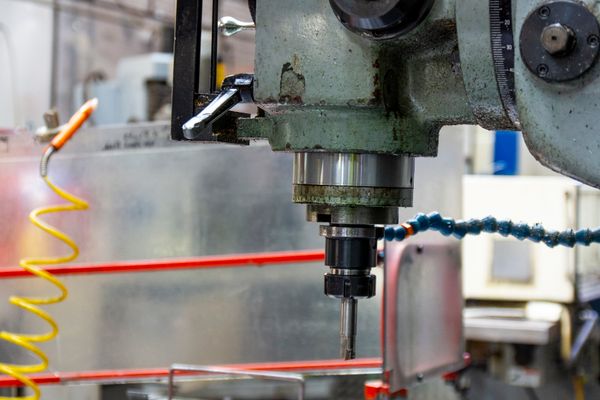
On a machining line, foam is not a cosmetic problem. A foaming sump carries air instead of lubricant to the cut, which shortens tool life, leaves a poor surface finish and can even trip level sensors and starve the pump. Metalworking fluids foam because they are engineered to wet, lubricate and cool, and those same surfactants hold onto air when the fluid is thrown around at high speed.
Why the sump froths
High-pressure coolant delivery, fine filtration, tramp oil and the surfactants in the concentrate all contribute. Hard water can make it worse, and so can a low sump level, which lets the pump pull air into the circuit. Once foam builds, it reduces the fluid's ability to carry heat away from the tool-workpiece interface, and heat is the enemy of both tool life and dimensional control. A machine that runs hot because its coolant is half air is quietly cutting productivity along with the part.
Defoamer must not fight the emulsion
The challenge in metalworking is balance. A defoamer has to break foam without destabilizing the oil-in-water emulsion that actually does the lubricating. Silicone defoamers are fast and effective, but too much can plate out on the workpiece and interfere with downstream painting or plating. Non-silicone and polyether defoamers integrate more cleanly into the emulsion and are often preferred where parts go on to be coated, because a surface that has seen silicone can be a rejection waiting to happen in a paint booth.
Stability over the life of the sump
A defoamer that works in a fresh charge may lose its grip after weeks of tramp-oil contamination and bacterial growth. The practical fix is to control the conditions that generate foam: keep concentration and pH in range, skim tramp oil, and dose defoamer as a maintenance additive rather than waiting for a foam outbreak. Jar tests on the actual in-use fluid, not just fresh mix, give the most honest read of how a product will behave in a real, dirty sump.
Match the defoamer to the process
High-pressure through-tool delivery, high-speed grinding and deep-hole drilling each put different shear and aeration loads on the fluid. A defoamer that holds a milling sump steady may struggle in a grinding cell, so the selection should reflect the harshest operation on the line. The goal is the same everywhere: a fluid that stays liquid, lubricating and cool, with foam kept below the point where it interferes.
Foam in a cutting fluid is a signal the system is out of balance, not just a call for more chemical. Pick a defoamer that respects the emulsion, dose it consistently, and keep the sump conditions that create foam in check. The payoff shows up quietly in longer tool life and a cleaner part off the machine.