
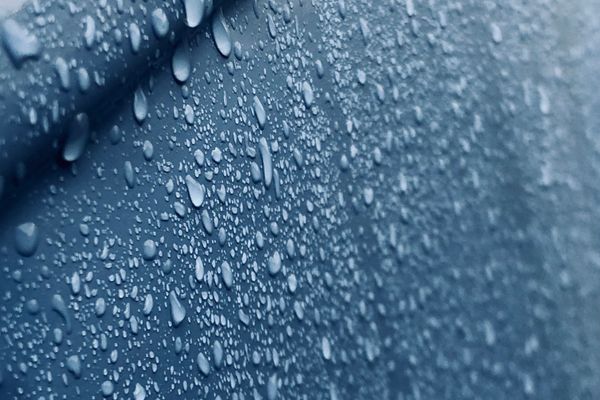
The days of relying on fluorinated chemistry for water repellency are ending. With the EU's near-total PFAS ban for outdoor textiles in force from early 2026, and brands voluntarily dropping C6 long before that, the question is no longer whether to switch to fluorine-free C0 finishes, but how to switch without wrecking spray ratings and wash durability.
What C0 actually is
C0 is a chemistry claim, not a single molecule. It covers non-fluorinated water repellents built on silicone, paraffin and dendrimer systems. They work by lowering the surface energy of the fiber so water beads and rolls off. What they do not do is match the oil repellency of legacy fluorocarbons, which is the honest limitation every brand and mill has to design around when rewriting performance specs.
Closing the performance gap
The gap has narrowed considerably. Second-generation C0 formulations now sit within a few spray-rating points of the older PFAS finishes, and wash durability has improved enough that re-treatment intervals feel reasonable rather than constant. Tumble drying on low heat, or a warm iron through a cloth, re-orients the finish and often restores beading without a fresh application, which turns a maintenance chore into a routine step.
The real risk is cross-contamination
A mill can label a fabric fluorine-free and still fail a buyer's test. Shared stenters, residual C6 in the padding line and fluoropolymer membranes elsewhere in the construction all add to total fluorine findings. Updated test methods using alkaline hydrolysis surface more PFAS than older extraction logic, so a fabric that once passed can now fail under a stricter method. The mills that pass consistently run dedicated lines, document every batch against a named test method, and can account for where any fluorine signal comes from.
Durability depends on the cure
C0 performance is sensitive to process. Pad-dry-cure parameters, especially cure temperature, determine how well the finish bonds and how long it survives washing. Silicone-based C0 systems, for instance, cure at a lower temperature than the old fluorocarbons, so a line set up for C6 needs its oven profile revalidated rather than reused. Getting this right is often the difference between a finish that beads for a season and one that washes flat in a few cycles. It also explains why two mills running the same C0 product can end up with very different durability in the field.
PFAS-free water repellency is a solved problem for water, and a work in progress for oil. Brands that rewrite their specs around what C0 actually delivers, and mills that control contamination and cure end to end, will come out of this transition with compliant fabric that still keeps the rain out. The ones who start now will be selling capability while their slower peers are still requalifying.