
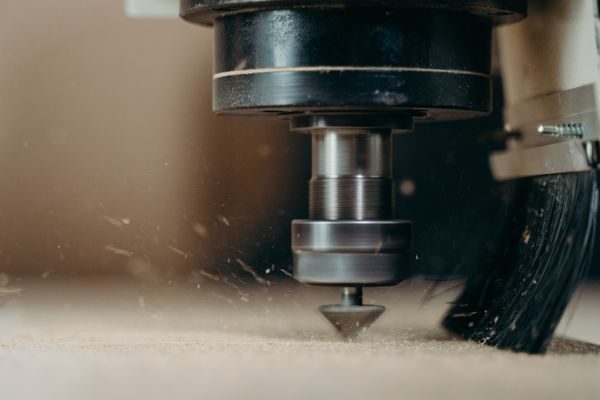
When foam builds up, the cooling and lubrication of the cutting fluid suffer at once, overflow from the sump wastes material, and level sensors may misreport and disrupt automatic dosing. In high-speed circulation, metal cutting and grinding fluids inherently entrain air and foam as pumping impact and nozzle spraying combine with cutting heat. Controlling fluid foam is an unavoidable part of daily maintenance on the metalworking floor.
Where the Foam Comes From
Coolant foam results mainly from the foaming action of surfactants combined with mechanical agitation. The emulsifiers, extreme-pressure additives and rust inhibitors in the formula are mostly surface-active substances that lower interfacial tension while also enhancing foam stability. In addition, coolant concentration, pH, water hardness and tramp oil picked up in use all change how readily the system foams. The choice of defoamer must be viewed within the specific formula and working conditions; isolated judgment easily goes wrong.
Fast Knockdown and Long Action, Both Needed
Metalworking fluids need rapid knockdown for sudden outbreaks and long-lasting suppression to keep foam low over long circulation. An ideal defoamer must also stay stable over a wide temperature and pH range, because coolant temperature changes with machining intensity and pH drifts with bacterial metabolism. Anti-decay is becoming a core indicator for high-end metalworking fluid defoamers, cutting the hidden cost of repeated top-ups and the burden of manual monitoring.
Grinding and Cleaning Have Different Priorities
Grinding fluids, with fine swarf and strong shear, tend to foam more stubbornly than cutting fluids; high-pressure spray cleaning fluids require a defoamer that holds the foam even under rapid impact. Different machining methods have different demands on knockdown speed, suppression duration and shear resistance, and one formula for everything can hardly satisfy all. Where conditions allow, companies select separately by machining type to avoid mutual compromise. This adds management complexity, but can save considerable downtime and scrap cost in key processes.
Compatibility Decides Machining Quality
A poorly dispersed defoamer may leave residue on the workpiece and affect later cleaning or coating; compatibility that is too strong may again cost knockdown ability. In selection, one usually observes how fast the defoamer spreads on the liquid surface, the foam decay time and any separation after standing. Where conditions allow, companies add the defoamer to the working fluid for long circulation tests to see how it performs under real conditions.
Environmental regulations are raising the bar on coolant biodegradability and skin-contact safety, and low-toxicity, readily degradable defoamers fit the trend better. Our technical team focuses on balancing long-lasting foam suppression and system compatibility in metalworking fluid defoamers, helping customers cut downtime losses and extend working fluid life.