
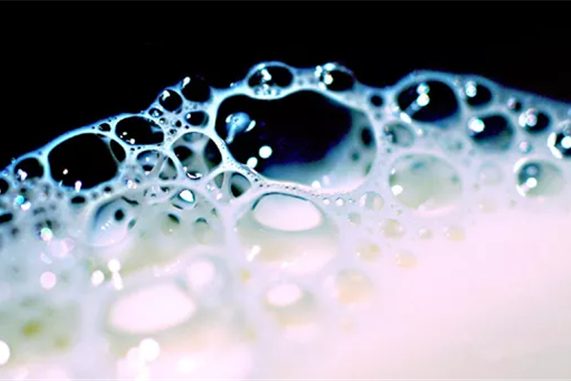
Across the many stages of industrial production, foam problems are often overlooked, yet they can become the last straw that breaks production efficiency. Foam surging in a reactor causes material overflow; foam in a papermaking white water system affects sheet formation; foam in textile dyeing and printing causes color-flower defects. Behind these scenarios lie lost capacity, rising equipment maintenance costs and uncontrollable product quality.
Chemi Tech is deeply engaged in industrial foam control. Targeting the foam causes of different systems, it provides a complete solution from diagnosis to execution, rather than a simple stack of single products.
Market Pain Points and Needs Breakdown
Foam in industrial production is usually caused by surfactants, high-speed stirring and gas-liquid contact. Common pain points include: slow foam dissipation and short foam-suppression time, requiring frequent top-ups; poor compatibility between defoamer and system, causing craters, oil spots and other side effects; and some defoamers failing under high shear or high temperature, causing process fluctuations.
Core needs center on: fast foam break, sustained foam suppression, no interference with the system, adaptation to extreme conditions, and controllable cost.
Chemi Tech Solutions and Implementation Steps
Step one: foam cause analysis. Through sampling and testing, determine the foam type (such as mechanical foam or chemical foam), analyze system parameters including pH, temperature, viscosity and surface tension, and rule out equipment or process abnormalities.
Step two: precise model matching. Chemi Tech offers multiple series including silicone, polyether, mineral oil and composite types. For example, for high-temperature, strongly alkaline systems, polyether-modified silicone types are recommended; for high-shear coating systems, highly dispersible mineral oil types are recommended.
Step three: lab bench tests and on-site pilot trials. Simulate the working conditions at the customer site, determine the optimal dosage (usually 0.01% to 0.1%), and verify foam-suppression duration.
Step four: process optimization and continuous monitoring. Adjust the dosing method and injection point based on test results, build a defoamer usage file, and optimize through regular follow-up visits.
Field Cases
Case one: a chemical synthesis company's reactor used to produce acrylic resin generated large amounts of foam during reaction due to stirring and raw material decomposition, with the foam layer reaching two-thirds of the reactor body, losing about 3 tons of raw material per month to overflow and requiring shutdown for cleaning. After the Chemi Tech technical team took on-site samples and analyzed them, an X-type polyether defoamer was selected and added at one time at a 0.05% ratio during the mid-reaction phase. Foam was completely eliminated within 30 seconds, and foam suppression lasted more than 6 hours, covering the entire reaction cycle. After implementation, raw material loss dropped to zero, single-reactor capacity rose 15%, and resin transparency and adhesion were unaffected.
Case two: a paper mill's white water circulation system produced fine foam due to residual chemicals and fibers, causing pinholes in the wet end of the sheet and 2 to 3 web breaks per week. Chemi Tech recommended a Y-type emulsified defoamer, added continuously via an in-line metering pump at an adjusted concentration of 0.02%. The foam problem was brought under control, sheet formation uniformity improved, the web-break rate fell to less than once per month, and no deposition or blockage occurred in the white water circulation system.
Chemi Tech drives service with technology, relying not on general-purpose products but tailoring solutions to each process. Choosing Chemi Tech means starting from the root of the foam and gaining quantifiable efficiency gains.