
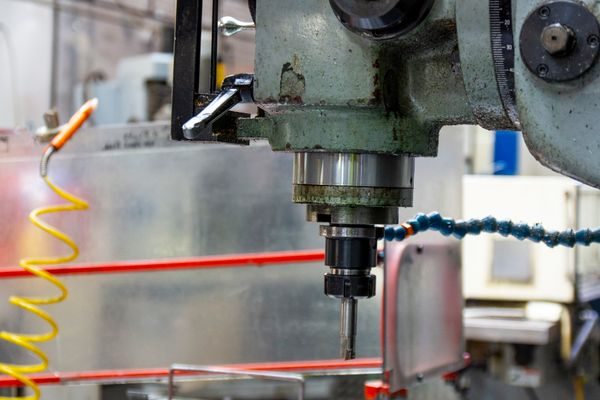
Once foam builds up, the cooling and lubrication performance of cutting fluid immediately suffers. Overflow from the tank not only wastes fluid but can also trigger false readings from level sensors and interfere with automatic fluid dosing. In high-speed circulation, metal cutting fluids and grinding fluids readily entrain air and foam because of pumping impact, nozzle spraying and cutting heat. Controlling fluid foam is an unavoidable part of daily maintenance on the metalworking floor.
Where Does the Foam Come From?
Foam in cutting fluid is mainly the result of the foaming action of surfactants combined with mechanical agitation. The emulsifiers, extreme-pressure additives and rust inhibitors in the formulation are mostly surface-active substances; while lowering interfacial tension, they also increase foam stability. In addition, the concentration, pH value and water hardness of the cutting fluid, as well as stray oil mixed in during use, all change the foaming tendency of the system. Therefore, the choice of antifoam must be evaluated within the specific formulation and working conditions, never in isolation.
Fast Knockdown and Long-Lasting Inhibition: Both Are Essential
Metalworking fluids need fast foam knockdown to handle sudden surges of foam during circulation, and they also need long-lasting foam inhibition so that the fluid maintains a low foam level over long circulation. An ideal antifoam should also remain stable over a wide temperature and pH range, because cutting fluid temperature changes with machining intensity and pH drifts due to bacterial metabolism.
Compatibility Determines Machining Quality
Poor dispersion of the antifoam may leave residues on the workpiece surface that affect subsequent cleaning or coating; excessive compatibility, in turn, may cost the product its foam-breaking ability. In actual selection, suitability is usually judged by observing the spreading speed of the antifoam on the liquid surface, the foam decay time and the separation after standing. Companies that can afford it also add the antifoam to the working fluid for a long circulation test to see how it performs under real conditions.
As environmental regulations raise their requirements for the biodegradability of cutting fluids and their safety on skin contact, low-toxicity, easily degradable antifoams are more in line with the trend. Choosing the right antifoam not only reduces downtime and losses caused by foam, but also helps extend the service life of the working fluid and lower overall maintenance costs.