
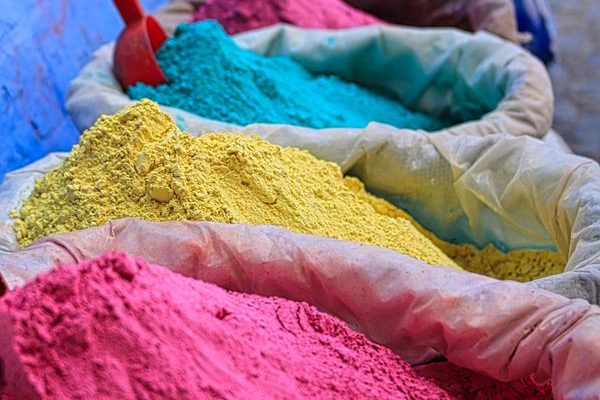
In coating and ink production, how uniformly pigments are dispersed directly affects color, stability and final performance. Many producers face pigment caking, re-flocculation, color difference or storage layering, lowering pass rates and raising costs. Against these pain points, scientific dispersant dosing has become a key step in quality improvement.

Drawing on years of technical experience, Chemi Tech proposes the following dispersant dosing solution:
1. Pretreatment evaluation: select a matching dispersant grade according to pigment type (organic, inorganic, carbon black) and binder properties.
2. Feeding order optimization: add the dispersant into the grinding base and mix evenly first, then add pigment gradually; avoid mixing it directly with powder pigment.
3. Dosage control: the recommended dosage is generally 0.2%–5% of pigment weight, with the optimal ratio determined by small-scale tests. Overdosing may cause flocculation or affect film performance.
4. Process adaptation: in high-speed dispersion and sand milling, add the dispersant before grinding to improve efficiency; in three-roll processing, adjust the timing appropriately.
Case study: A coatings company producing blue alkyd paint faced insufficient color strength and re-flocculation during storage. Under the guidance of the Chemi Tech technical team, the dispersant dosage was adjusted to 1.5% of pigment weight and premixed into the resin system before grinding. After the adjustment, millbase fineness dropped below 15 μm, color uniformity improved by 30%, and storage stability improved significantly.
Correct dispersant dosing not only reduces energy consumption but also cuts the rejection rate. Chemi Tech offers multiple eco-friendly dispersant series and free technical support to help enterprises achieve high-quality production.