
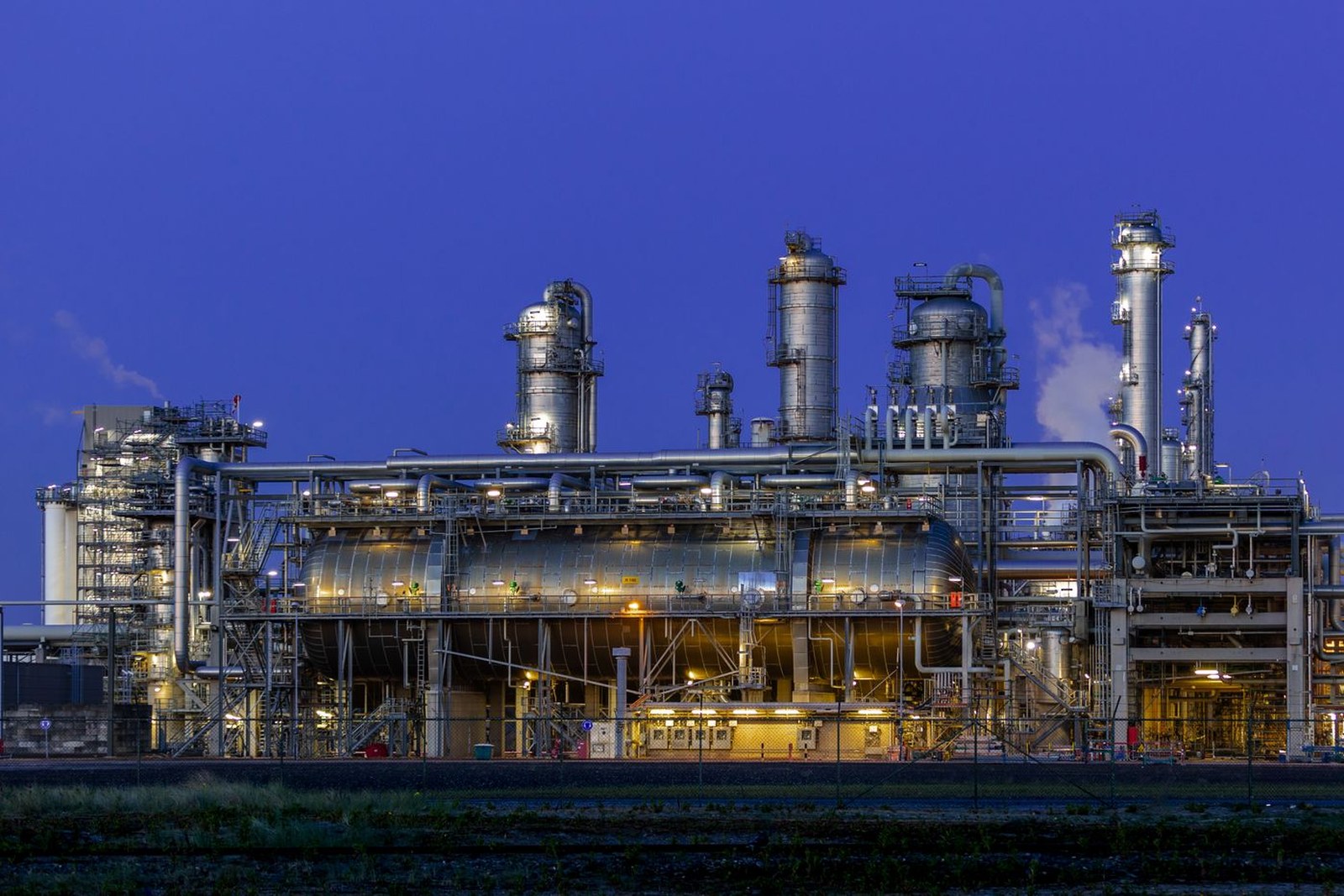
Once the decarbonization absorber of a gas purification unit foams, the absorbent is carried out of the top by entrained bubbles; purified-gas liquid carryover and regeneration energy consumption climb, and both decarbonization efficiency and absorbent loss come under pressure.
Chemi Tech offers the KM-1340 series defoamer for decarbonization absorption and gas purification systems, drawn from the KM series defoamer line. Dosage can be adjusted flexibly to the absorbent alkalinity and tower temperature. This grade is a polyether defoamer, heat-resistant with good foam suppression, floating on the absorbent surface to break foam without disturbing gas-liquid mass transfer. With the measured data on tower liquid level and purified-gas liquid carryover, the precise KM-1340 dosage can be set.
Chemi Tech Defoamer Advantages
The KM-1340 series defoamer is formulated for decarbonization absorption systems. Thermal stability is strong: it keeps breaking foam even in the high-temperature tower environment. Foam-suppression hold is long: a single dose covers the whole absorption and regeneration cycle. Defoaming is fast: tower foam is removed before gas-liquid separation. Compatibility with the absorbent is excellent: it does not precipitate or emulsify, and gas-liquid mass transfer stays stable. Dosage is economical: adjusted flexibly to absorbent alkalinity, so decarbonization efficiency stays stable and controllable.
Industry Pain Points and Solutions
The foam problem in the decarbonization absorber mostly stems from the combined action of absorbent air entrainment and incompatibility of the defoaming component, finally concentrating in two places: purified-gas liquid carryover and decarbonization-efficiency decline.
Purified-gas liquid carryover lets liquid accumulate in downstream lines, and the load on condensation and separation grows. KM-1340 dosage set against absorbent alkalinity steadies the tower liquid level and reduces bubble entrainment.
Decarbonization-efficiency decline shrinks the treatment capacity of the same feed gas, and regeneration energy consumption rises. KM-1340 resists heat and suppresses foam, floating on the absorbent surface to break foam without disturbing gas-liquid mass transfer.
Absorbent loss and regeneration energy consumption finally convert into unit gas-treatment cost. With the absorbent alkalinity and tower temperature moving, the dosage can be narrowed to an accountable range, directly lowering steam unit consumption.
Typical Conditions and Verification
Customer: a gas purification enterprise in Shandong, applied to the absorption section of synthesis-gas decarbonization.
After this gas purification unit's decarbonization tower raised output, the tower liquid level surged and foamed; purified-gas liquid carryover increased and the downstream separator discharged liquid frequently; decarbonization efficiency fluctuated near the critical line. Through comparison testing of tower liquid level and purified-gas liquid carryover, Chemi Tech selected KM-1340 for this plant as the decarbonization-absorption defoamer, with dosage set against absorbent alkalinity. After commissioning, the tower liquid level fell back to normal; purified-gas liquid carryover dropped markedly; decarbonization efficiency stabilized and regeneration energy consumption returned to its normal band.
FAQ
Will adding a defoamer to the decarbonization absorber disturb gas-liquid mass transfer and lower decarbonization efficiency?
It has to be checked along two lines together: the compatibility of the defoaming component with the absorbent, and whether foam breaking affects mass transfer. KM-1340 has completed mass-transfer and efficiency comparison tests under synthesis-gas decarbonization conditions; within the recommended range it floats on the liquid surface to break foam while gas-liquid mass transfer stays stable. Actual dosage is set against absorbent alkalinity as the baseline, with tower temperature and gas velocity as correction; Chemi Tech sets the suitable dosage from the side-by-side comparison of tower liquid level and purified-gas liquid carryover.