
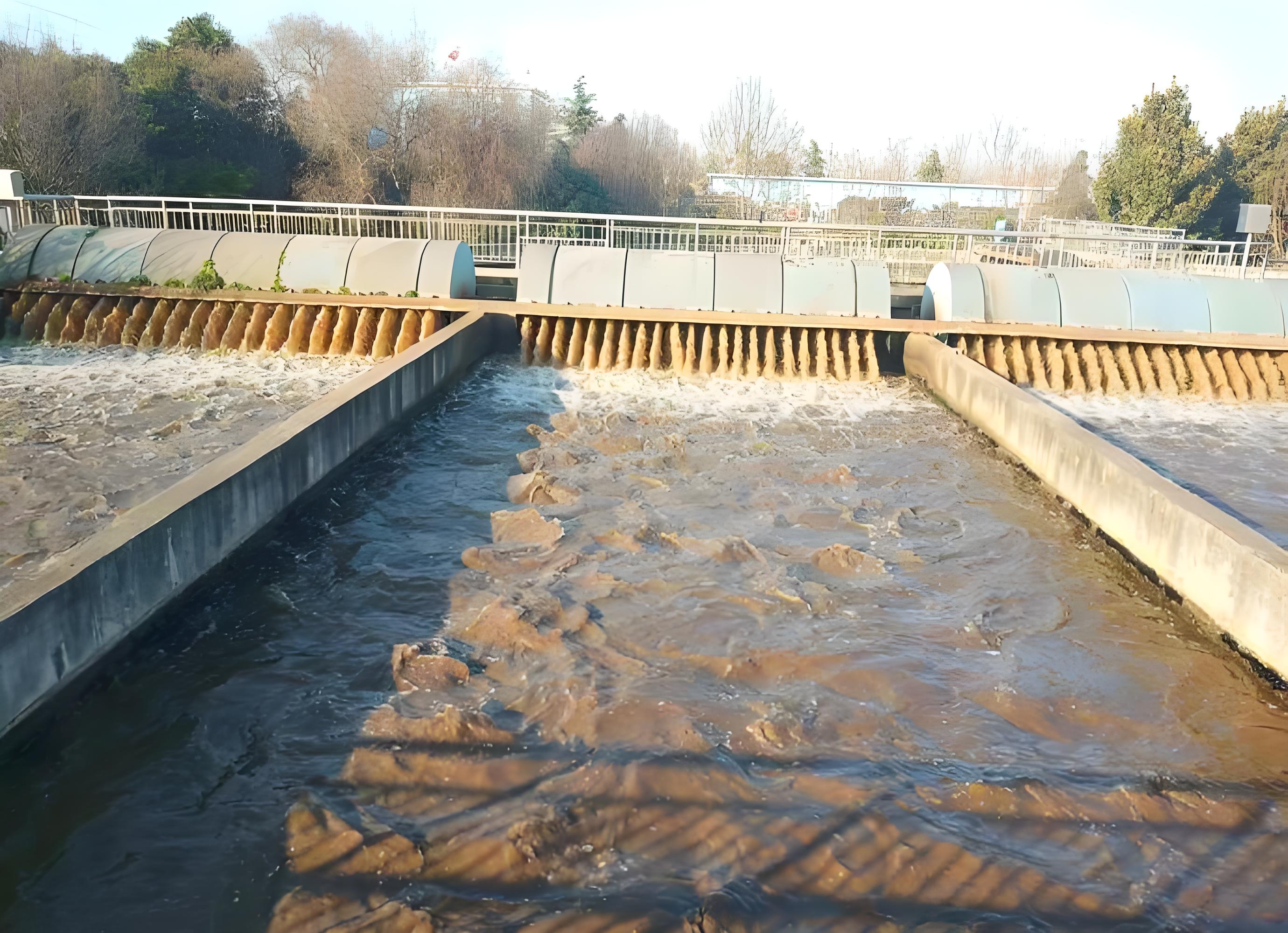
Long-term foam control in aeration systems requires integrating chemical defoaming with process adjustments. The efficacy of Chemi Tech defoamers depends on dosing methods, system compatibility, and environmental stability. Key strategies include:
1. Precision Dosing and Dispersion
Dripping Over Bulk Dosing: KM-688 should be added gradually to ensure uniform dispersion in foaming liquid, preventing sludge floc damage from localized over-concentration.
Physical Assistance: Combine with secondary effluent spray to disrupt surface foam layers and enhance defoamer contact efficiency.
2. Process Synergy Optimization
Load and Sludge Concentration Control: During high-load operation, reduce inflow and increase sludge return rates to limit filamentous bacteria growth;
Carrier Biofilm Technology: Adding mobile fillers to aeration tanks immobilizes foam-producing microbes, reducing air-entrapping flocs.
3. Defoamer Stability Maintenance
Environmental Adaptation: Chemi Tech modified polyether based defoamers (e.g., KM-321) maintain performance between 5°C-55°C, suiting seasonal temperature variations;
Storage and Reactivation: Emulsion products requiring rehomogenization after separation should be stirred to restore efficacy.
4. Cost-Effective Sustained Foam Suppression
While amide and modified silicone polyether defoamers require low dosages (<0.005%), periodic replenishment is needed. Selected Chemi Tech formulations achieve 48-hour foam suppression via composite technology, reducing operational costs.