
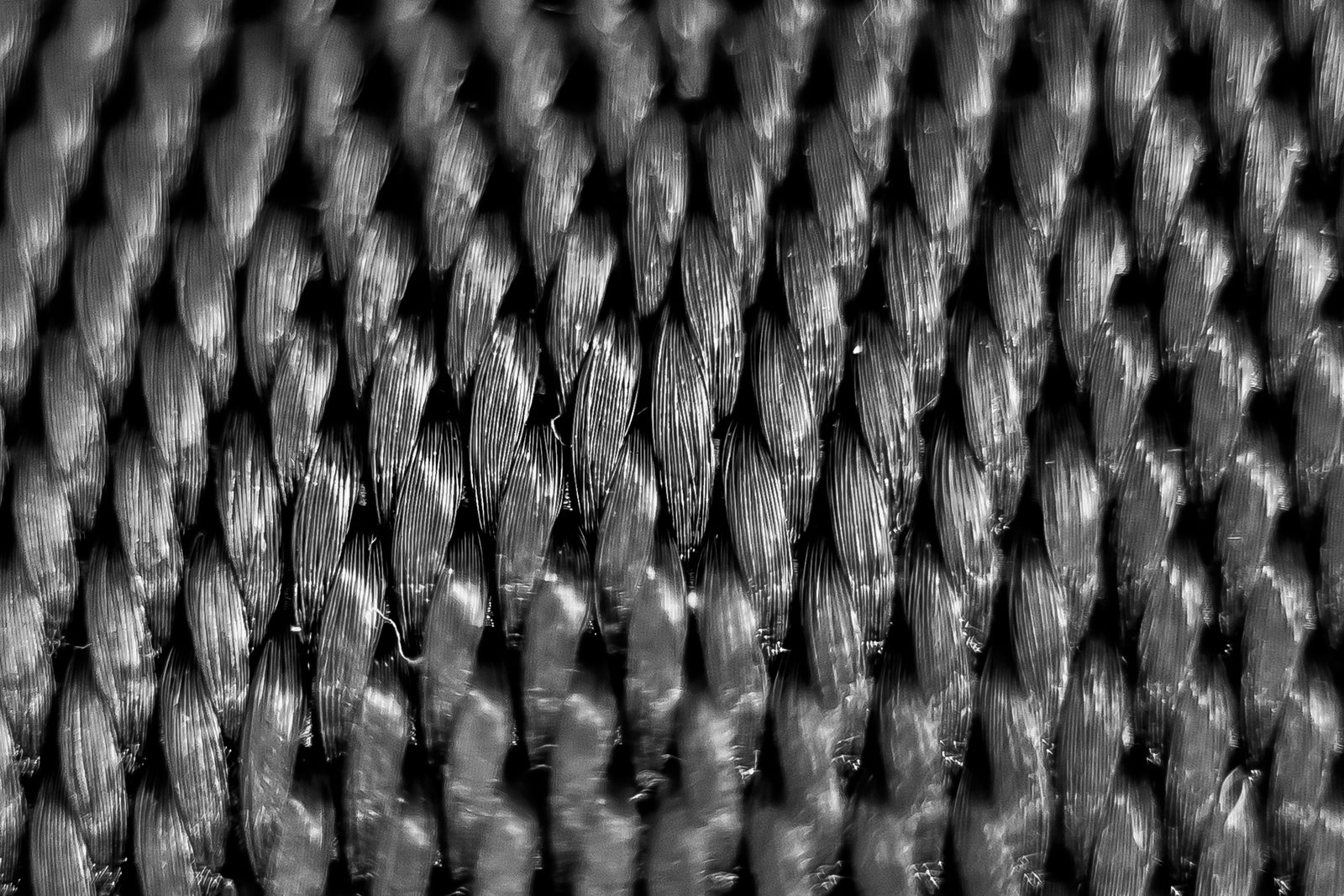
After water-repellent finishing of seat fabrics, rain-test stains still spread from the seams, and the spray rating drops notch by notch after two wash cycles, putting both the interior acceptance and the fabric mill's delivery under pressure.
Chemi Tech offers the KMF-603 series water-repellent agent for water-repellent finishing of automotive interior fabrics; the dosage can be adjusted flexibly according to the fabric weight and finishing-liquor concentration. This grade is a fluorinated water-repellent finish that forms a continuous film on the fibre surface without stiffening the hand. Combined with measured rain-test and spray-rating data, the dosage of the KMF-603 series on the corresponding substrate can be graded step by step.
Advantages of Chemi Tech Water-Repellent Agent
Chemi Tech's KMF-603 series water-repellent agent is configured for water-repellent finishing of polyester and nylon fabrics. The film is continuous and fully covers the fibre surface, so water beads and rolls off without penetrating; wash resistance is outstanding, and the spray rating holds after multiple washes; soil resistance is good, with oils and drinks not spreading easily on the surface; it is compatible in the same bath with softeners, leaving the hand soft rather than harsh after finishing; rub resistance is good, and the repellent film does not break after repeated seat friction; the dosage is economical, graded by fabric weight, and the fabric's grading benefits directly.
Industry Pain Points and Solutions
The water-repellent problem of interior fabrics mostly stems from the combined effect of film continuity on the fibre surface and downstream washing, ultimately concentrating in two places: seam staining and rating decay.
Once the film on the fibre surface is discontinuous, moisture penetrates inward along the yarn gaps, and rain-test stains spread from the seams. The dosage of KMF-603, graded by fabric weight, lets the repellent film reach every gap between yarns.
At seams and bindings, yarn density and tension differ from the fabric body, and water-repellent finishing is most likely to fail here. The continuous-film property of KMF-603 brings the spray rating at the seams close to that of the fabric body.
Acceptance after washing ultimately lands on the inspection sheets of both the fabric mill and the OEM. Combined with changes in fabric weight and finishing-liquor concentration, the dosage can be narrowed to an accountable range, directly reducing re-finished fabric.
Typical Conditions and Verification
Customer case: an automotive interior fabric enterprise in Jiangsu, applied to the water-repellent and anti-soil finishing section of seat fabrics.
After a softener change on the line, the problem surfaced. Rain-test stains spread from the seams, and the rating dropped after two wash cycles. The adaptation point was set: KMF-603 as the water-repellent finishing agent, with the finishing-liquor concentration graded by fabric weight and liquor retention. Thereafter, the rain-test seams no longer wetted through; the spray rating held after washing; the interior acceptance passed first time, and re-finished fabric batches went to zero.
FAQ
Interior fabrics must pass both washing and rubbing; which end should the finish performance watch?
Constrained by film continuity and same-bath compatibility, looking only at the initial spray rating is not enough. KMF-603 has completed comparative trials of rain-test and post-wash rating on seat-fabric conditions; within the recommended range the repellent film does not break from kneading or washing, and the hand stays soft. The actual dosage is based on fabric weight, with finishing-liquor concentration and cure temperature as corrections; Chemi Tech determines the optimal dosage by comparing spray rating against post-wash retention.