
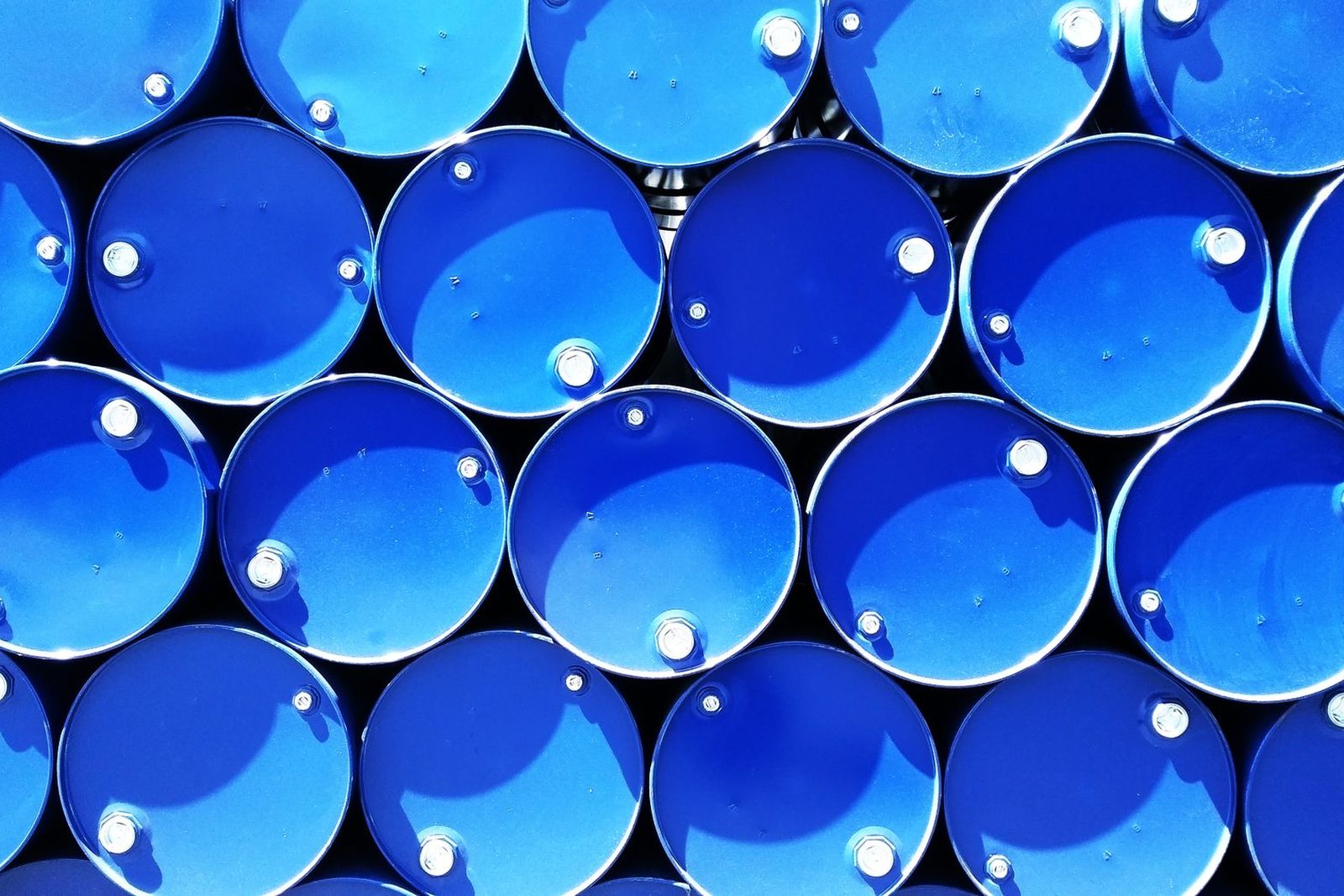
On a lubricating-oil filling line, micro-foam gathers into a fine scum at the filling-pump inlet, the metering-drum reading drifts upward, the finished-product tank's settling time is stretched out, and the transparency item in outgoing inspection is re-checked again and again.
Chemi Tech offers the KM-866 series defoamer for lubricating-oil blending and filling systems; the dosage can be adjusted flexibly according to base-oil viscosity and blending temperature. This grade is a silicone-oil-system defoamer, compatible with oil-based systems, breaking micro-foam instantly under pumping shear. Combined with measured filling-metering and oil-inspection data, the suitable dosage of the KM-866 series can be determined.
Advantages of Chemi Tech Defoamer
Chemi Tech's KM-866 series defoamer is configured for circulating oil and filling systems. It acts fast — the dwell time of micro-foam at the pump inlet is compressed; compatibility is excellent, with no separation or clouding after addition and the finished oil staying clear; it does not disturb the viscosity index, so the blending formula need not be rearranged; it has no effect on oxidation stability, with bench-test indicators held; storage stability is good, with no settling or layering after standing in the drum; the dosage is economical, graded by base-oil viscosity, and the per-drum cost can be calculated directly.
Industry Pain Points and Solutions
The foam problem in lubricating-oil filling mostly stems from the combined effect of air entrainment during base-oil and additive mixing and high-speed filling-pump shear, ultimately concentrating in two places: metering deviation and appearance re-inspection.
Micro-foam gathers at the filling-pump inlet, the metering-drum reading floats up and down, and the filling-volume deviation of the same batch is amplified. The dosage of KM-866, graded by base-oil viscosity, lets micro-foam break before it enters the metering section.
The finished-product tank's settling time is forced to stretch, and the transparency item is re-checked repeatedly in outgoing inspection. KM-866 acts fast, completing de-aeration in the circulation stage before filling.
Oil-change cycles and drum costs ultimately land on the blending workshop's ledger. Combined with changes in base-oil viscosity and blending temperature, the dosage can be narrowed to an accountable range, directly reducing rework-filling losses.
Typical Conditions and Verification
Customer case: a lubricating-oil blending plant in Jiangsu, applied to the finished-product tank and metering section of the filling line.
As soon as the filling pump started, fine froth floated at the drum mouth; the metering reading drifted up and down; the batch filling volume had to be re-checked; the finished-product tank's settling time ran half a shift longer than planned. After comparing filling-metering with appearance inspection, Chemi Tech set this plant's defoamer to KM-866, with the dosage graded by base-oil viscosity. Thereafter, micro-foam was removed in the circulation stage; the metering reading tended to consistency; and the finished-product tank's settling time narrowed back to the planned cycle.
FAQ
When the blending formula changes, does the defoamer need re-dosing?
It must be worked out how much the base-oil viscosity and additive system affect defoaming speed after the formula shift. KM-866 has completed comparative trials of filling-metering and appearance inspection across multiple blending formulas; within the recommended range defoaming speed holds and oil indicators do not drift because of the defoaming component. The actual dosage is based on base-oil viscosity, with additive ratio and blending temperature as correction; Chemi Tech gives the suitable dosage by comparing metering deviation against appearance re-inspection results.