
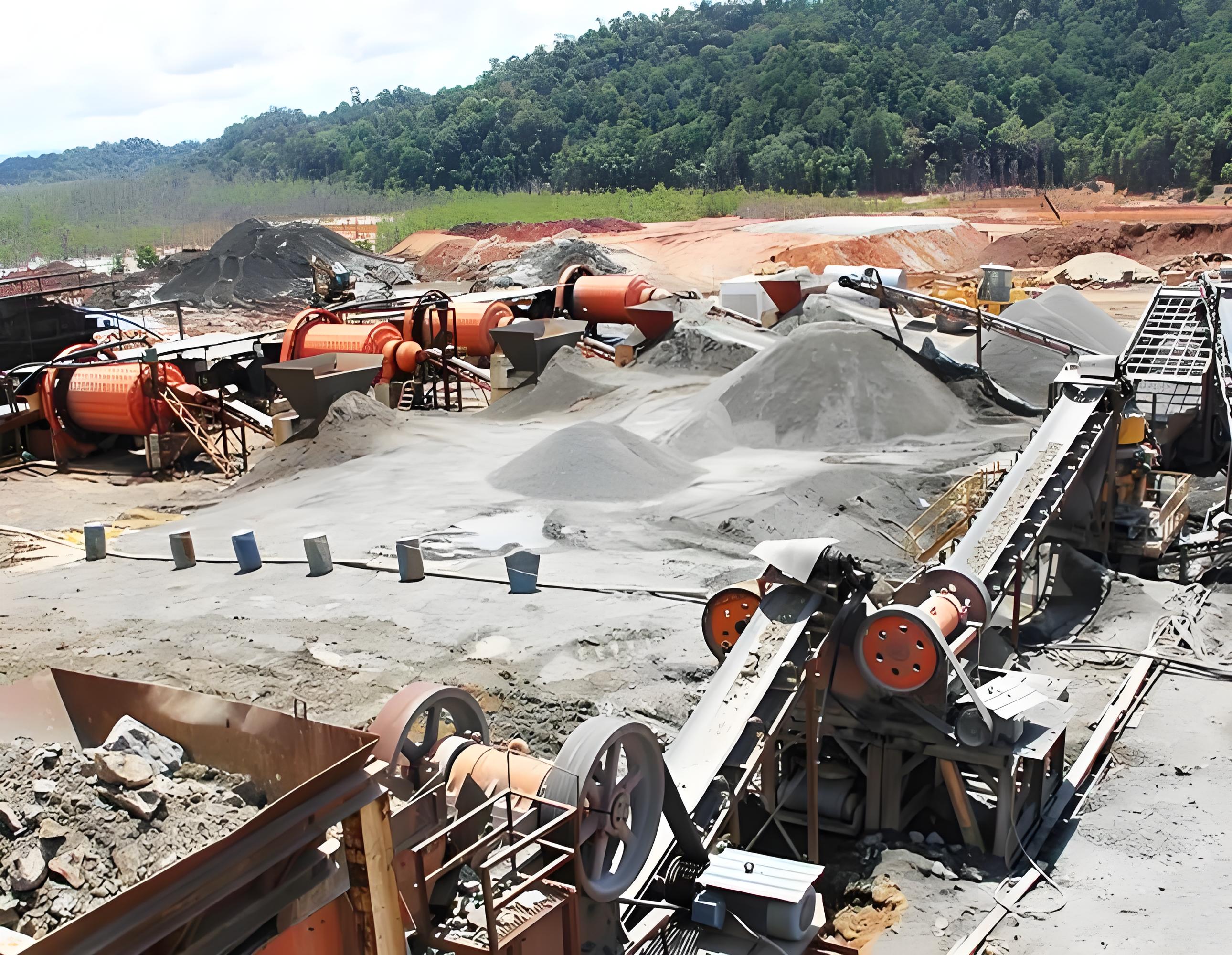
Excessive foam in copper flotation occupies effective tank space, reduces processing capacity, and disrupts mineral-bubble adhesion, leading to 3–8% copper recovery loss and 2–5% concentrate grade fluctuation. One large-scale copper mine reported 60% defoamer efficacy decay in strong alkaline pulp (pH 11–13), with over 40% foam coverage causing annual losses of ¥3.6 million.
Chemi Tech's Core Innovation
KM-608 delivers three breakthroughs:
-
Nano-composite system:
Hydrophobic silica (≤5μm) and modified polyether to reduce dynamic surface tension to 24mN/m (25°C), breaking persistent foam in 5 seconds while suppressing rebound for 120 minutes—cutting dosage frequency by 50%. -
-
Broad pH/temperature resilience:
Maintains stability at pH 1–14 and 10–80°C, resisting 5000s⁻¹ shear to prevent failure amid pulp alkalinity fluctuations. -
-
Zero interference with flotation:
Compatible with xanthate/dithiophosphate collectors, preserving chalcopyrite/bornite hydrophobicity to ensure recovery rate and concentrate grade. -
Case Study
At a Chilean copper flotation plant (pH 12.5 pulp):
Dosage: 0.15% added once at roughing stage (versus 0.3% for conventional defoamers);
-
Results:
-
Foam layer thickness reduced from 18cm to 4cm, increasing tank throughput by 22%;
-
Copper concentrate grade upgraded from 23.5% to 26.8%, with tailings copper content dropping to 0.15% (from 0.32%);
-
Annual savings of ¥370,000 in defoamer costs and 150 tons less copper metal loss.
-
Deployed in porphyry and sulfide copper flotation, compatible with pneumatic and mechanical flotation cells.