
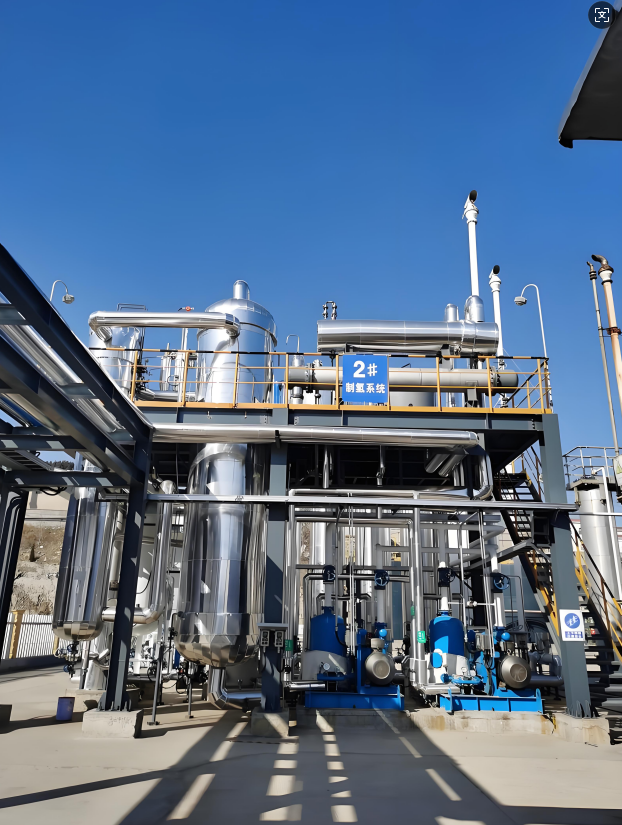
Instrument failures can occur at multiple stages of coke oven gas (COG) hydrogen production:
Compression Stage: Emulsified heavy tar components cause foam, distorting oil separator level gauges
Desulfurization Stage: Foaming in desulfurization solution triggers erratic differential pressure transmitter data
PSA Stage: Foam from trace lubricants leads to pressure sensor drift in adsorption towers
A Hebei hydrogen project (annual output: 80 million m3) experienced 25+ monthly malfunctions of PSA control valves. Investigation revealed foam residues from upstream processes reduced CO analyzer sensitivity, causing sequence errors.
Full-Process Defoaming Strategy
Implement targeted defoamer dosing at key points:
Post-Compression Cooler Inlet: Add CT-Gas610 oil-soluble defoamer (0.005%) to break tar emulsion foam
Desulfurization Circulation Pump Inlet: Inject CT-Gas820 alkali-resistant defoamer (0.02%) to stabilize regeneration tank levels
Pre-PSA Oil Remover: Dose CT-Gas760 low-volatility defoamer (0.001%) to protect adsorbents and instruments
Quantified Benefits
After full-process implementation at a Liaoning plant:
PSA valve failures decreased by 80%, extending adsorption tower service life to 4 years
Compressor lubricant consumption reduced by 35%
Instrument calibration frequency reduced from weekly to monthly, cutting annual maintenance costs by ¥1.2 million
Critical control: Install online foam sensors after freeze separators to trigger automatic dosing when foam tendency exceeds 45%. Regularly clean coalescer filters to prevent defoamer residue buildup. Chemi Tech provides process audit services to customize defoamer formulations for varying tar content (200-5000mg/m3) in gas feeds.