
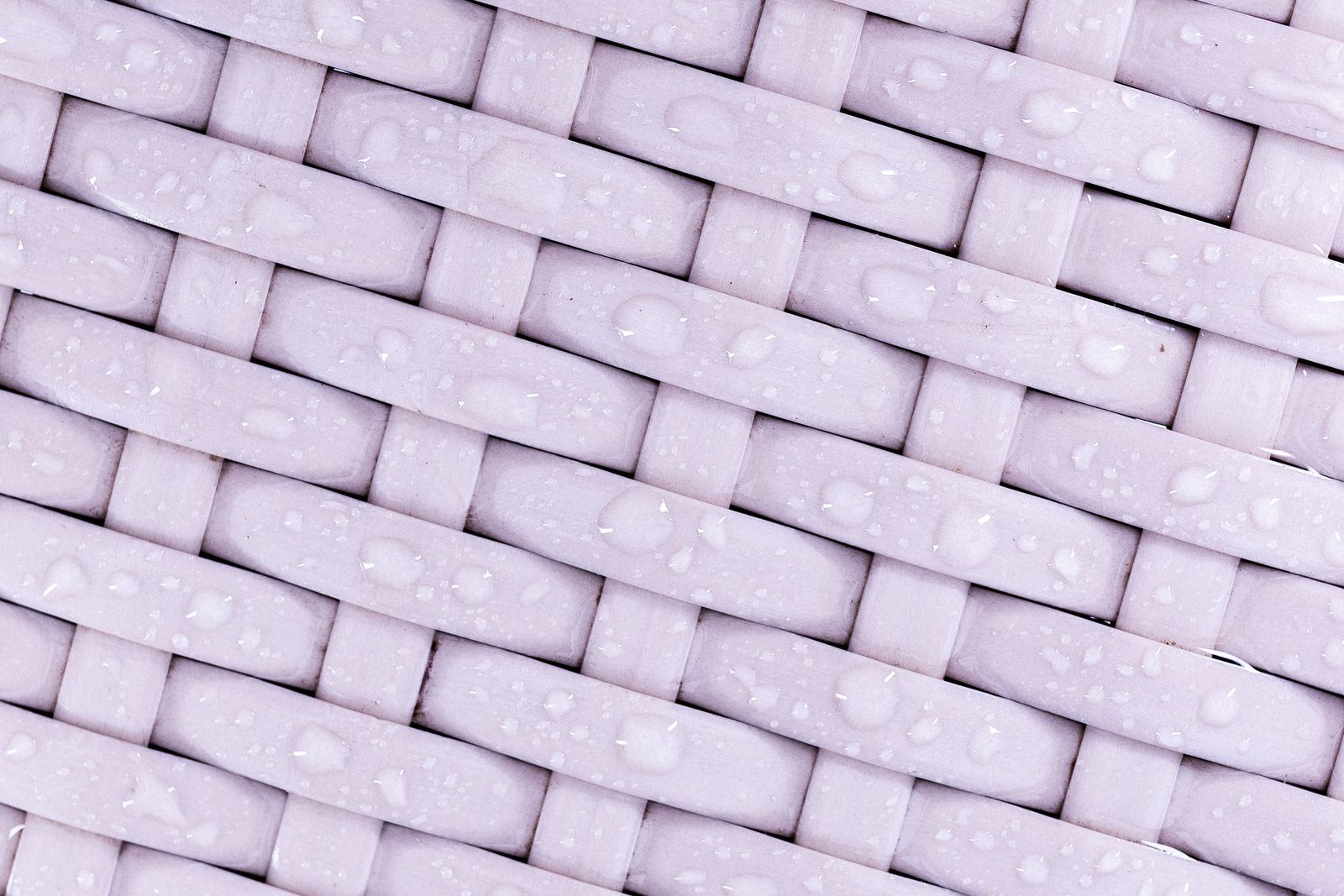
Water beads sitting up on a finished fabric surface without soaking inwards
With a fluorine-free finishing agent on outdoor fabric, water repellency on the face is achieved, yet the cloth comes back stiff and rough to the touch, the garment factory cannot feed it evenly when sewing, and the test report for the export order and the hand-feel feedback tend to arrive together.
Chemi Tech makes water repellents for outdoor fabric, nonwovens and footwear materials, from the water repellent KMF-4301 series. Which grade is added depends on the fibre composition, the fabric structure and whether the customer's test method is spray rating or wicking height after laundering. On polyester and nylon fabrics, KMF-603 is built in the direction of continuous repellency balanced against hand feel; where the perfluorinated item has to be held down at the same time, the fluorine-free KMWF-03 is the simpler route and is used widely on export orders. Send us the greige specification and the test standard, and we will settle it against that method for you, so you do not have to feel your own way through a first round.
Advantages of Chemi Tech Water Repellents
The Chemi Tech water repellent KMF-603 series forms a continuous film on the fibre surface, so repellency is not a layer floating on top and does not fail easily after laundering. The hand feel is soft as well, so the finished fabric does not go stiff or rough and the sewing process needs no parameter changes. Wash durability keeps pace, too, with the spray rating after twenty home launderings still inside the common customer threshold. On top of that it contains no perfluorinated compounds, so the export test method clears in one pass. It is also compatible with resins and softeners and does not fight them in the same bath.
A note from Chemi Tech: the behaviour above comes from a typical polyester outdoor fabric finishing condition. Change the fibre composition or the fabric structure and the results move. Confirm on a small sample before bulk production.
Industry Pain Points and Solutions
The hardest part of water repellent finishing is that repellency and hand feel are forever pulling against each other.
Testing only the spray rating and not wash durability is the most common miss. The score looks good on the day of sampling, then the spray rating slides after a few washes and the complaint only erupts downstream. Chemi Tech puts the spray rating and wicking data from before and after laundering on the table together and does not issue a report that only looks good on the day.
Hand feel is the next gate. Raise the dosage and repellency goes up, but the cloth goes stiff and rough and the garment factory's sewing process gives way first. Chemi Tech's approach is to put the hand-feel score and the repellency score into one comparison table and find the boundary of both ends together.
One more point is easily missed: compatibility in the same bath has not been checked. When the finishing agent runs together with a softener or a resin, the two fight each other, the bath throws sediment and defects appear on the cloth. Chemi Tech's approach is to run one round of same-bath validation against each of the common softeners and resins and mark out the process window first.
Sampling and testing are taken over by us. Repellency, hand feel, wash durability and same-bath compatibility are all run in one pass to your test method, and the process sheet goes straight to the workshop.
Typical Conditions and Verification
Customer: an outdoor apparel fabric manufacturer in Fujian, applying it to the water repellent finishing of shell fabric and lining.
The mill makes outdoor shell jackets for European customers. The fabric spray rating had always passed, but repellency fell away quickly after home laundering tests, and at the same time the cloth felt stiff with the garment factory reporting rough sewing. The solution offered by Chemi Tech water repellents was: against the fibre composition and the customer's test standard, KMF-603 was selected from the KMF-4301 series, the finishing process was recalibrated together with the curing conditions, and small samples were sent to the customer's laboratory for confirmation first. The spray rating and wicking before washing and after twenty home launderings both stayed inside the customer threshold, and the hand-feel rating of the finished fabric returned to the normal band. The station this mill had previously set aside for rework alone was changed to a sampling bench.
Frequently Asked Questions
Is a fluorine-free finishing agent bound to be worse than a fluorinated one in repellency continuity? The gap is real. The low-surface-energy segments of a fluorinated system pack more regularly, but how far it goes depends on the fibre and the process, and many export orders can pass testing on a fluorine-free system. The KMWF-03 we supply to fabric mills has been compared on test methods in the fluorine-free direction, and which grade to use is settled once we have looked at the data. Give the fibre composition, the fabric structure and the customer's test standard to our technical department; sampling and process parameters come back together, and we schedule tightly when the delivery date is near.