
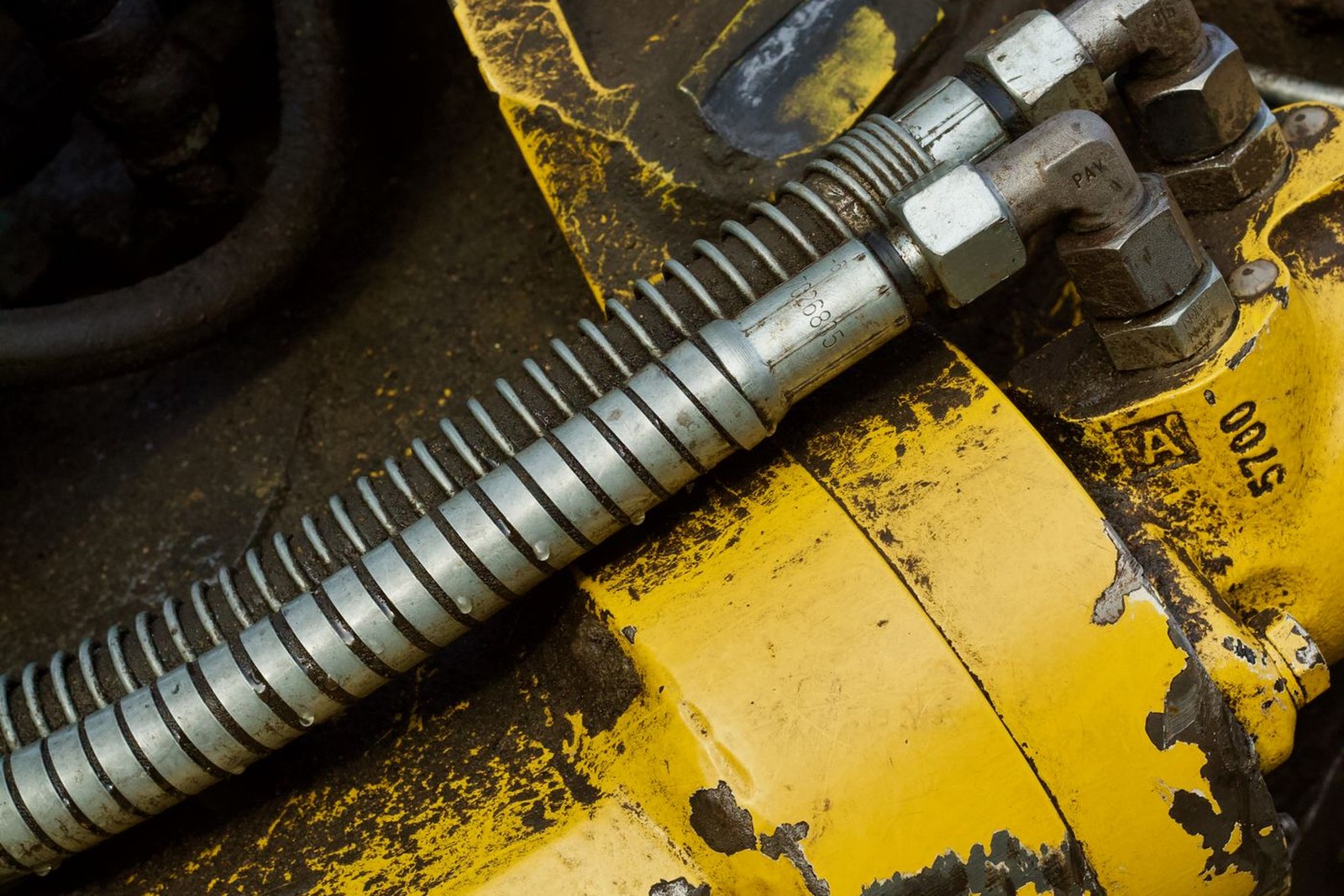
Industrial machinery hydraulic cylinders and piping
Once the reservoir of a hydraulic station heats up in circulation, microfoam in the oil builds with the return flow, foam climbs above the level gauge, the reading distorts, oil separation and cloudiness rise with it, and pumping stability slides day by day.
Chemi Tech has introduced the KM-860 series defoamer for the blending and circulation systems of hydraulic and lubricating oils, with the dosage adjusted flexibly according to oil viscosity and circulation pump pressure. This grade has good compatibility: added to the oil it breaks foam fast without pulling the oil performance off course, and it does not interfere with oil viscosity or oxidation stability. Taking measured data on surface foam height and oil separation as the basis, a suitable KM-860 dosage can be determined.
Advantages of Chemi Tech Defoamers
Chemi Tech KM-860 series defoamer is configured for hydraulic and lubricating oil systems. Foam breaking is fast, so microfoam rolled up by the returning oil falls back within a single circulation cycle; compatibility with the oil is outstanding, with no separation and no cloudiness, and no drift in oil viscosity; oxidation stability is not disturbed, so oil indicators stay steady over long circulation periods; the antifoaming effect lasts, so the surface foam does not pile up again as temperature rises; and the dosage is economical, adjusted flexibly to oil viscosity and circulation pump pressure, keeping hydraulic system operation stable and controllable.
Industry Pain Points and Solutions
Foam problems in hydraulic oil systems arise mostly from the combined action of air entrained by the returning oil and a mismatch of the defoaming component, and the consequences are concentrated in two places: level reading distortion and rising oil separation.
Once the reservoir level reading distorts, operators can only top up by experience, and the deviation in oil level control widens with temperature swings. The KM-860 dosage is pinned down by oil viscosity, holding the surface foam steadily below the level gauge scale.
Oil separation and cloudiness drag down the cleanliness of the oil, and the response of hydraulic valves grows sluggish with them. KM-860 has outstanding compatibility with the oil and introduces no new precipitation while breaking foam.
Oil change downtime and filter element consumption in the hydraulic system ultimately convert into cost per tonne of oil used. By tying the dosage to changes in oil viscosity and circulation pump pressure, a dosage range can be narrowed to an accountable band, directly reducing oil change frequency.
Typical Operating Conditions and Verification
Customer case: a construction machinery hydraulic parts manufacturer in Shandong, for the hydraulic oil blending and circulation testing stage.
After the plant upgraded its oil, foam in the reservoir of the circulation test bench increased noticeably, the level gauge reading distorted, and slight oil separation appeared on the oil surface during sampling. After a comparison test on surface foam height and oil separation, KM-860 was dosed following a comparison of oil viscosity and pump pressure, with the dosage pinned down by oil viscosity. After the change, the surface foam fell back below the level gauge scale; the oil separation disappeared with it; oil indicators on the circulation test bench returned to steady, and the first-pass rate of factory sampling recovered.
Frequently Asked Questions
Will adding a defoamer to hydraulic oil affect the viscosity indicators of the oil?
It all comes down to whether the defoaming component is compatible with the oil and whether it precipitates. KM-860 has completed compatibility tests on hydraulic and lubricating oil circulation conditions, and within the recommended range there is no precipitation and no cloudiness, with oil viscosity and oxidation stability staying steady. The actual dosage takes oil viscosity as the baseline, corrected by circulation pump pressure and oil temperature; Chemi Tech pins down a suitable dosage through a parallel comparison of surface foam height and oil separation.