
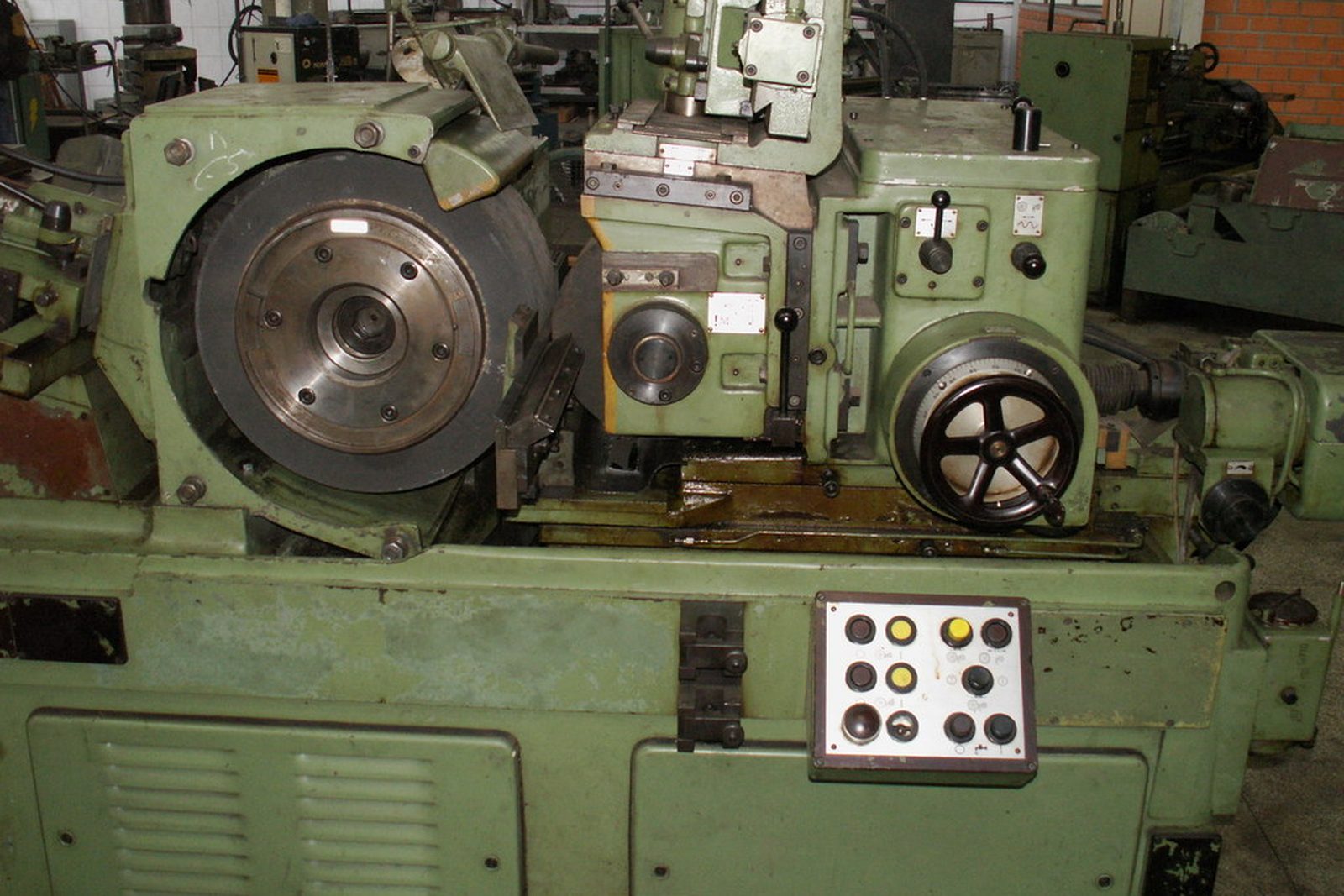
A real-shot of workpieces being ground on a centerless grinding machine.
Once the grinding fluid tank foams up thick, the foam is carried into the cutting fluid by pumping shear; workpiece surface residue and roughness fluctuate batch by batch, and tool wear and rework hours are both under pressure.
Chemi Tech builds the KM-495 series defoamer for metalworking grinding and heavy cutting systems, with dosage adjustable to grinding fluid concentration and pump pressure. This grade is a defoamer resistant to high temperature, acid and alkali, and high pressure; its foam suppression does not decay under the pumping shear of high-pressure grinding and heavy cutting, it can be added internally and stays in the same tank with the concentrate without oil bleed. Against measured data of tank-surface foam height and workpiece surface residue, the suitable plan for the KM-495 series can be given.
Chemi Tech Defoamer Advantages
The KM-495 series defoamer from Chemi Tech is configured for metalworking grinding systems. High-temperature resistance is outstanding, suppressing foam without decay in the high-temperature zone of high-pressure grinding; acid-alkali stability is good, working stably across cutting fluids of different pH; it resists high pressure and shear, breaking foam without failure under high pumping shear; defoaming is fast, tank-surface foam is removed before workpiece grinding; it can be added internally, staying in the same tank with the concentrate without oil bleed or separation; and dosage is economical, set against grinding fluid concentration, with workpiece surface residue the direct beneficiary.
Industry Pain Points and Solutions
The foam problem in metalworking grinding, at root, comes from the combined action of pumping-shear air entrainment and foam components not resistant to high-pressure shear, finally concentrating in two places: tank-surface foam build-up and workpiece surface residue.
Once tank-surface foam builds up, the cooling and flushing of the grinding fluid are weakened and the grinding-zone temperature climbs. The KM-495 dosage set against grinding fluid concentration can hold tank-surface foam stably flat.
Foam wraps grinding debris and leaves it on the workpiece surface, and roughness and finish drift with it. KM-495's foam-breaking process does not bring impurities back onto the workpiece surface.
The loss from surface residue and rework finally converts into per-piece machining cost. Against changes in grinding fluid concentration and pump pressure, dosage can be narrowed to an accountable range, directly lowering rework loss.
Typical Conditions and Verification
Customer: a precision machinery enterprise in Zhejiang, applied to the circulating tank of grinding fluid on centerless grinders.
The grinding fluid tank foamed up thick; workpiece surface occasionally had residue; roughness fluctuated from time to time. The previous defoamer was insufficient under high pumping shear. KM-495 was adopted as the grinding fluid defoamer, with dosage set in graded steps against grinding fluid concentration. After commissioning, tank-surface foam fell back, workpiece surface residue dropped markedly, roughness stabilized, and cooling and flushing in the grinding zone stayed normal.
FAQ
Adding defoamer to the grinding fluid, will it affect cutting fluid stability and workpiece surface quality?
It has to be read along two threads, tank-surface foam and surface residue, to tell whether the defoamer is really working. KM-495 has completed comparative measured data on tank-surface foam and surface residue under high-pressure grinding conditions, and within the recommended range stays in the same tank with the concentrate without oil bleed, not affecting workpiece surface quality. Actual dosage is set against grinding fluid concentration as the baseline, with pump pressure and grinding temperature as correction; Chemi Tech gives the suitable plan by parallel comparison of tank-surface foam height and workpiece surface residue.