
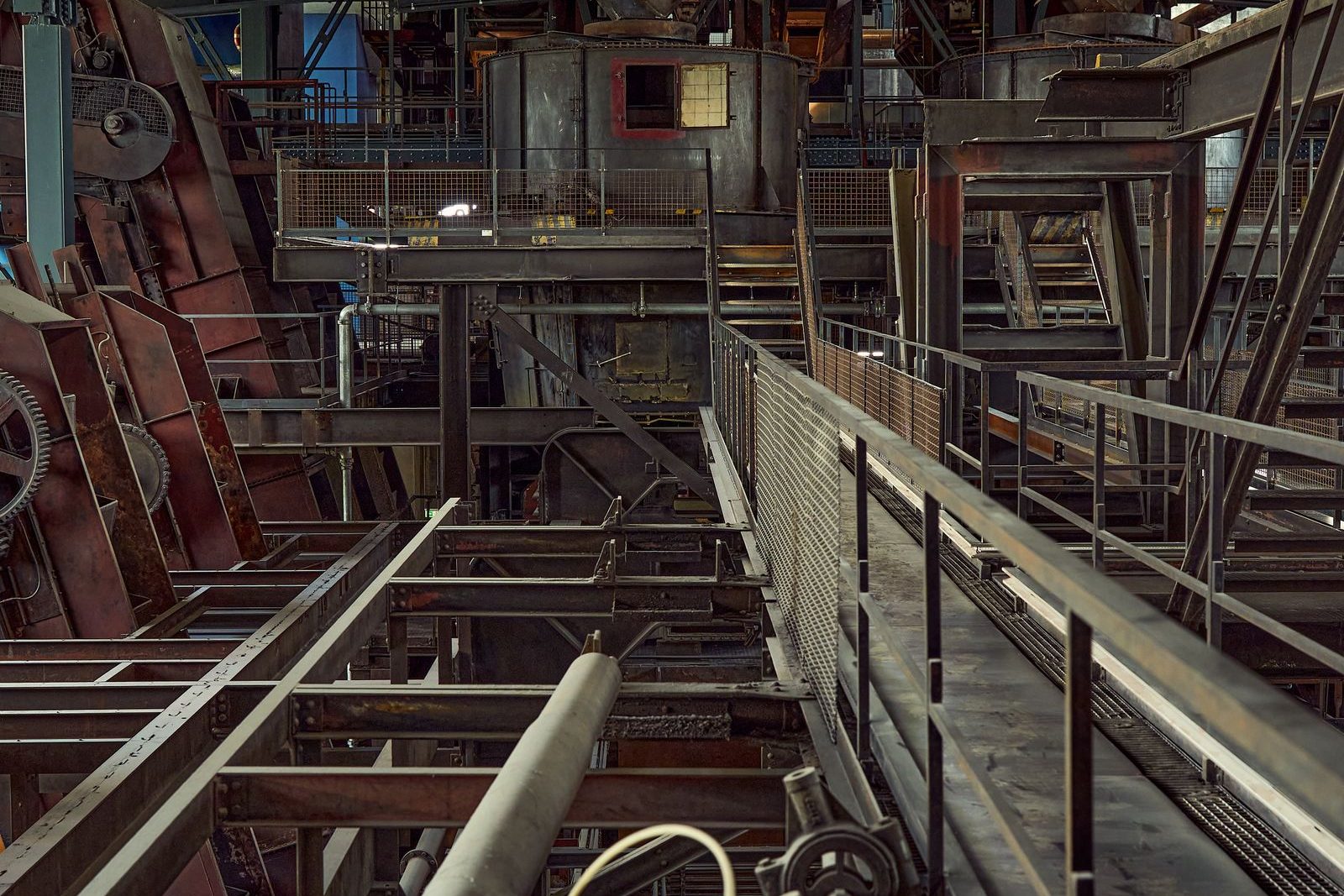
Rolls of finished paper and conveyor rollers on a large paper-making line
Once the foam layer in the paper-making white-water system thickens, the wire-section vacuum fluctuates, basis weight and formation deviate together, and break counts after the couch roll plus machine-speed losses accumulate shift by shift.
Chemi Tech supplies the KM-1003 series defoamer for paper-making white-water circulation systems. In alkaline, warm white water it does not readily break down or separate, and it does not interfere with fibre retention or sizing. The dosage can be adjusted flexibly according to the white-water return ratio and stock consistency, and measured foam half-life data are available at two return-ratio grades. Which grade the dosage lands in depends first on the range in which these two variables read. On any paper line where the white-water reuse ratio is high and wire-section foam lingers, cases of a similar kind can first check the two readings of return ratio and consistency.
Advantages of Chemi Tech Defoamers
The Chemi Tech KM-1003 series defoamer is designed for paper-making white-water circulation. It breaks foam fast, thinning the fine bubbles stirred up at the wire section within seconds; its compatibility is excellent, with no precipitation alongside sizing and retention agents in the stock; its foam-suppressing effect is long-lasting, so the foam layer stays stable as the white-water reuse ratio rises; and its dosage is economical, rated by return ratio and consistency, so the additive cost per tonne of paper can be accounted directly.
Industry Pain Points and Solutions
Foam in paper-making white water is not necessarily brought by machine speed. A high return ratio together with a rising stock consistency crowds the wire-section vacuum with fine bubbles, and basis-weight variation and sheet breaks are the two items that finally show up on the machine.
When the white-water return ratio climbs, foam in the wire-section white-water box thickens first and the vacuum gauge diverges from the on-site water level. KM-1003 has excellent compatibility; the two readings of return ratio and consistency are worth sorting out first, the dosage is rated anew against that machine's white-water load, and the vacuum gauge reading returns to its normal range.
After the stock consistency is switched, the same dosage breaks foam at noticeably different speeds across two consistency grades. Comparing the low and high grades side by side, the foam half-life falls from twenty-five seconds to eight seconds, and the KM-1003 dosage is recorded separately by consistency grade.
Once machine speed is raised, the residence time of white water at the wire section shortens and fine bubbles enter the sheet before they can escape. The KM-1003 series has a long-lasting foam-suppressing effect, so sheet breaks need no extra downtime handling; the dosage must follow machine speed, however, recorded separately for the high and low grades and continued by grade at shift handover.
Typical Operating Conditions and Verification
Customer case: the paper-making workshop of a paper enterprise in Hubei, applied to the defoaming stage of the white-water circulation system. The mill compared two batches of white water, one with a low reuse ratio and one with a high reuse ratio; the basis-weight variation differed markedly between the two batches, and the break records were not in the same band either. After comparing the two grades of return ratio and consistency, KM-1003 was set as the defoaming grade for this workshop, with the dosage rated by white-water load and machine speed. After commissioning, the vacuum gauge readings for both batches converged, the foam half-life fell below eight seconds, sheet breaks decreased, and machine speed was maintained as planned.
Frequently Asked Questions
On a paper machine with a high white-water reuse ratio, should the defoamer dosage be raised together with machine speed and consistency, or should certain readings be sorted out first?
First see whether the return ratio and stock consistency fall within the normal range for that machine; on a line where both run high, raising the dosage alone usually cannot bring the level back. The KM-1003 series does not readily break down or separate in alkaline, warm white water; the measured data on foam half-life and vacuum gauge readings are given by Chemi Tech side by side for two return-ratio grades of the same machine. The actual dosage is corrected by machine speed; check these two readings at hand first, and the starting dosage can be estimated.