
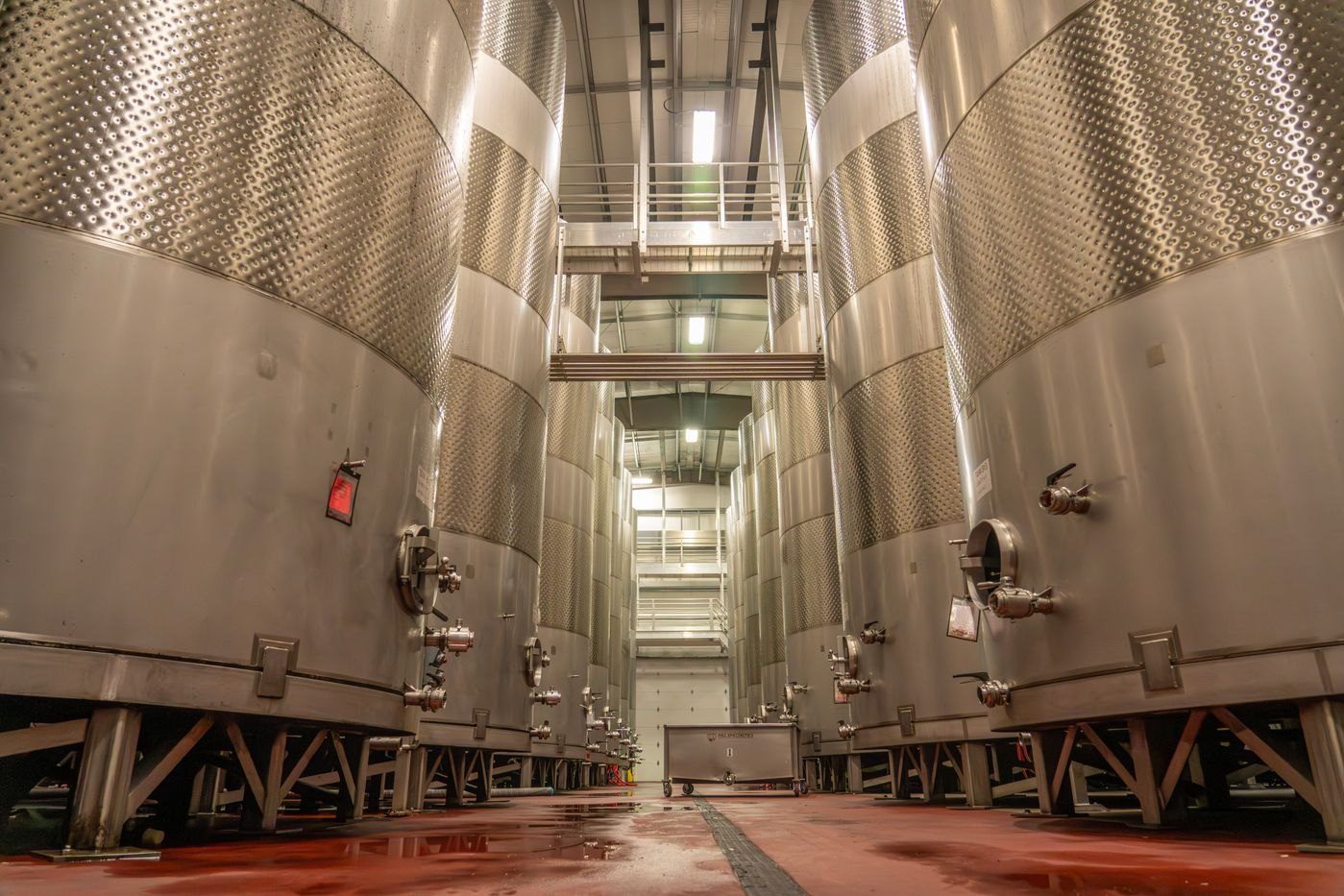
When foam reaches the top of the fermenter the vessel pressure starts to shake, liquid begins weeping past the shaft seal, and nobody can open the tank to look inside. All you have is the instruments and the sight glass.
Chemi Tech makes defoamers for enzyme, amino acid, organic acid and antibiotic fermentation, again from the KM series defoamer line. Which grade fits depends on the strain, the medium formulation and the vessel type. Routine foam that a mechanical breaker can hold down is not the same job as the violent frothing you get from a high-protein medium after sterilization, and they do not take the same grade. Foam behaves differently in early inoculation and late, near harvest, either. Send us your fermentation records and we will break those variables apart, then tell you which grade belongs in your vessel.
Chemi Tech Defoamer Advantages
The KM series defoamer grades have been verified for fermentation safety: they do not affect cell growth or product synthesis, which is the one failure a fermentation plant cannot accept. They act quickly, so foam that has reached the upper sight glass comes back down within minutes of a top-up dose, which leaves an operating window for feed addition. They also survive high-temperature sterilization, so they go into the vessel with the medium without losing activity and can be used both as a charge and as a top-up. Dosage is low, so downstream recovery carries no extra load and filtration and membrane separation yields are not dragged down. Run alongside a mechanical breaker, they let you drop the breaker one speed step and extend shaft seal life.
A note from Chemi Tech: the figures above come from typical aerobic fermentation conditions. Change the strain or the medium and the results move. Run a shake-flask trial before the vessel.
Industry Pain Points and Solutions
The trouble with fermentation foam is that you cannot see it. Nobody can open the vessel, every move is made on instruments and experience, and when it goes wrong the cost is counted in batches.
The first trap is topping up too hard. The moment foam reaches the head, the operator tips in a whole pail; over-defoaming drags oxygen transfer down with it and the culture loses vigour before the foam was ever the problem. Our approach is to write a maximum single top-up volume into the operating procedure and work in millilitre steps. Several small additions beat one heavy one.
The second trap is losing activity after sterilization. With some chemistries less than half the defoaming strength survives the autoclave, so charging with the medium is money thrown away and you end up rescuing it mid-run. Our approach is to put sterilization tolerance into the pre-run verification list and not to recommend a grade whose data does not clear it.
The third trap is fouling the membranes. Residual defoamer blinds the filters in downstream recovery, so the fermenter runs fine and the damage lands one stage later. Our approach is to set the upper dosage limit by working back from the recovery process, protecting both ends at once.
Those three steps are ours to walk with you: a shake-flask foaming comparison against your medium first, then one verification run in a pilot vessel, and finally the top-up curve and the upper dosage limit settled together. It adds two lines to your operating procedure.
Typical Conditions and Verification
Customer: an enzyme manufacturer in Jiangsu, applied to foam control on 30 cubic metre fermenters.
Two of this plant's enzyme batches in a two-month window ran foam to the top of the vessel and wept liquid past the shaft seal, forcing a mid-run pressure reduction and sharply raising contamination risk. The solution Chemi Tech's defoamer team provided was: a sterilization-tolerant grade selected from the KM series against the medium formulation and vessel type; charged into the vessel with the medium; and linked top-up dosing driven by the level signal through the middle and late stages. After the change six consecutive batches ran without foam reaching the head, the shaft seal stopped weeping, and each harvest left about two tonnes more working volume. The laminated emergency card on the wall for a foam-over was taken down.
FAQ
Does the defoamer lose activity when it is sterilized with the medium?
With ordinary grades it does, and keeping even half the defoaming strength through the autoclave is a good outcome, which makes charging with the medium pointless. The grade we supply for fermentation is verified at 121 degrees Celsius for thirty minutes and retains more than ninety percent of its defoaming strength. Give our technical engineers the strain, the medium and the sterilization curve, and we will run the pre-vessel shake-flask comparison for you, then tell the plant when the data is ready.