
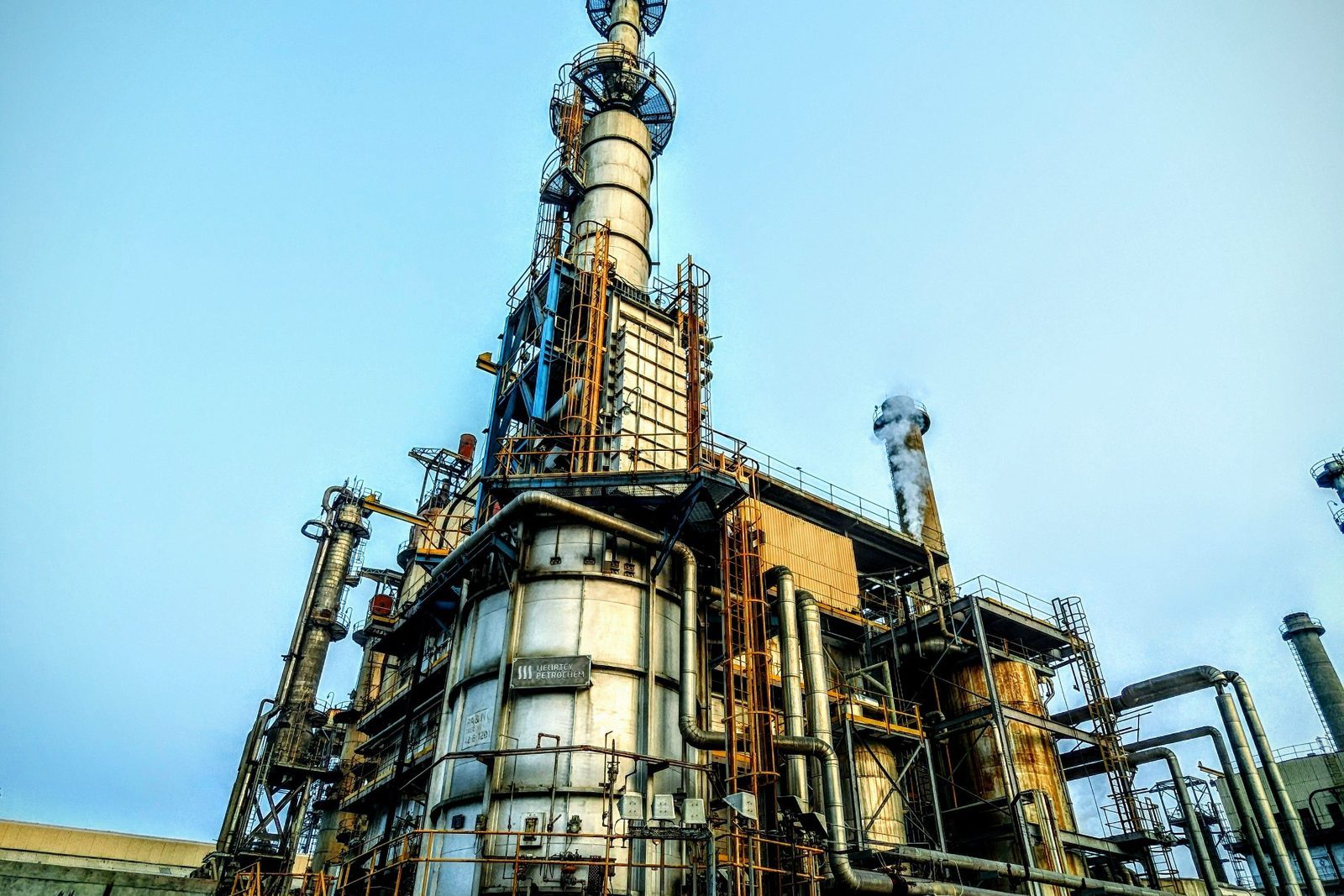
Once the coke drum is cut in and the foam layer thickens, hydrocarbon carryover rises with it, the differential pressure across the fractionator bottoms and the exchangers climbs, the unit can only run at reduced rate, and the shift's output target looks bad by the end of the day.
Chemi Tech makes defoamers for refinery delayed coking, atmospheric and vacuum towers and amine regeneration systems, from the defoamer KM-6100 series. Which grade to use depends on the oil properties, the tower temperature and the control requirement for foam layer height. KMT-162 is benchmarked against Momentive SAG 622, combines high temperature resistance with high shear resistance, and owns the coke drum overhead type of duty. Where the feed acid value is high and the conditions are harsher, the acid-, alkali- and high-temperature-resistant KM-6588 suits better. Based on the unit parameters and the oil analysis, we recommend the most suitable defoamer for you.
Advantages of Chemi Tech Defoamers
The defoamer KM-6100 series grades take high temperature: they do not break down in the two-to-three-hundred-degree environment inside the tower, and the silicone does not deposit on the exchanger surfaces. Knockdown is also fast, so after injection the foam layer height comes down quickly, hydrocarbon carryover drops with it and the fractionator bottoms stops coking up so often. There are further no toxic side effects on downstream catalysts or subsequent processing, and that is the one item refineries most fear tripping over. It is injected at a small proportion of tower feed, which keeps the operating cost inside what the unit can accept.
Chemi Tech notes that the behaviour above comes from a typical delayed coking unit condition. Change the feed oil properties or the operating conditions and the results move. Run a small trial before commercial scale.
Industry Pain Points and Solutions
Foam problems in a refinery go into the incident report rather than the budget, and most of the time the shift just toughs it out.
The trouble often starts at the injection point. Injected onto the tower overhead line, the chemical is carried off by the gas flow before it ever reaches the foam layer, and a drum of it produces no visible effect. What Chemi Tech does is move the injection point upstream of the foam layer according to the tower flow field, with an atomising nozzle so the chemical spreads out.
Once the injection point is right, timing is the next hurdle. The foam layer height changes across a coking cycle, and a constant injection rate either wastes chemical or falls short. What Chemi Tech does is tie the injection rate to the coking cycle, dosing by stage around the drum switch.
There is one further hidden risk on the amine system side. If the overhead defoamer is mismatched, it travels with the gas phase into the amine regeneration system and the foaming problem surfaces somewhere else. What Chemi Tech does is verify the chemical compatibility of the two systems together.
These we take over as a single chain: the high-temperature foaming comparison on your oil sample is run first, the side-draw small-scale trial follows, and the injection point and staged rates are settled last. Adding two lines to the operating card is all it takes to execute.
Typical Conditions and Verification
Customer: a local refinery in Shandong, for the coke drum overhead of a delayed coking unit.
At this plant the foam layer ran high late in the coking cycle, hydrocarbon carryover caused frequent coking at the fractionator bottoms, the exchanger differential pressure climbed fast, and the unit had to come down in rate and clean once every month. The solution Chemi Tech's defoamers provided was this: working from the feed oil properties and the coking cycle, KM-6120 was selected from the KMT-6100 series, the injection point was moved from the tower overhead line to upstream of the foam layer, and the injection rate was set in stages by cycle. After the change the foam layer height held steady, coking frequency at the fractionator bottoms dropped noticeably, the exchanger differential pressure stayed under its limit for a whole run, and the unit no longer came down in rate for mid-run cleaning. The rate-reduction procedure posted on the control room wall was rarely touched afterwards.
FAQ
Will a defoamer damage the catalyst?
That is the one thing a refinery most worries about with an additive, because once it is in you cannot see it and the effect shows up in the downstream units. The KMT-162 we supply to refineries has had downstream compatibility confirmed, and at normal injection rates it does not constitute a risk.
Give the unit type, the feed oil properties and the injection location to our technical department, and we will produce the high-temperature foaming comparison and the trial plan together.