
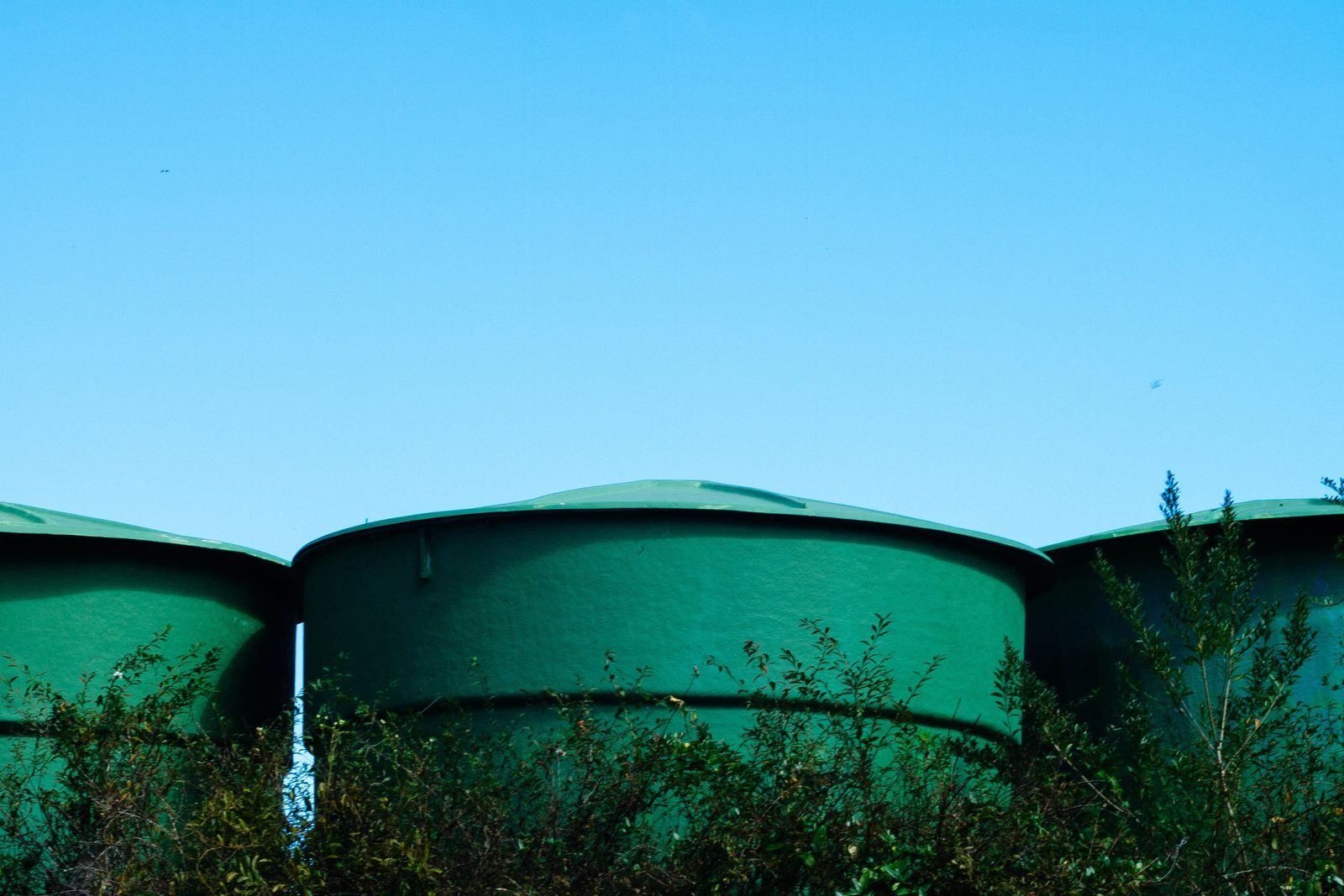
Once the digester foams, the gas holder pressure starts to swing, the differential pressure across the desulfurisation tower climbs, the calorific value of the gas reaching the boiler swings high and low, and the person left answering for all of it is the one minding the system.
Chemi Tech makes defoamers for anaerobic digestion systems handling municipal sludge, food waste and high-strength organic wastewater, from the defoamer KM-1240 series. Which grade to use depends on the feed sludge properties, the digestion temperature and the desulfurisation method on the gas side. KM1240, for instance, was designed from the outset for hot, high-pressure, high-alkali, high-salt water environments, so it is steadier in a thermophilic digester once ammonia nitrogen is high. For a conventional mesophilic digester, KM120 is enough. Send over your feed sludge figures and digestion temperature, and we will work the direction out first and recommend the usual grade for you.
Advantages of Chemi Tech Defoamers
The Chemi Tech defoamer KM-1240 series grades are stable in an anaerobic environment and do not take part in the metabolism of methanogens, so gas production and biogas composition are not dragged in, and that is the one thing a biogas project most fears going wrong. Knockdown is also fast: topped up when the tank level alarm sounds, the foam layer falls back within about ten minutes, which leaves the operators reaction time. There is further tolerance of high ammonia nitrogen and high organic loading, so a shock in the feed sludge does not easily knock it out. Added to that, the dosage is low and it puts no burden on the desulfurisation agent or the generator set, so the whole system's numbers work out.
Chemi Tech notes that the behaviour above comes from a typical mesophilic anaerobic digestion condition. Change the feed sludge properties or the digestion temperature and the results move. Run a small trial before scaling up.
Industry Pain Points and Solutions
The trouble with foam in an anaerobic system is that it sits inside a sealed tank where nobody can go, so the instruments are all you have to go on.
The first thing to go wrong is foam entering the gas line. Foam travels up with the biogas, blinds the desulfurisation tower packing, the differential pressure climbs day by day, and eventually the tower has to be shut down and the packing replaced. Chemi Tech puts the dosing point below the gas space at the top of the digester, so the foam breaks before it gets into the gas line.
Next is that overdosing harms the methanogens. Some operators on site assume that a high level means a larger defoamer dose, and after pouring in a whole drum the foam is gone but so is the gas production rate. Chemi Tech suggests converting the single top-up dose into an upper limit by tank volume and adding it in batches.
There is one more point easily missed: watching only the tank and not the downstream. The tank looks calm, yet the dewatering house sees poorer flocculation from residual chemical. Chemi Tech's approach is to bring the dewatering stage's operating condition into the verification as well. If you have samples of the feed sludge and the digested liquor, a suitable defoamer will make short work of the problem.
Typical Conditions and Verification
Customer: a municipal sludge disposal centre in Zhejiang, for two mesophilic anaerobic digesters.
The centre takes in sludge with a high fat content in summer, the digester level alarm sounded frequently, and the biogas desulfurisation tower differential pressure rose over three months to the point where the tower had to be shut down for a packing change. The solution Chemi Tech's defoamers provided was this: working from the feed sludge analysis sheet and the tank type, KM1246 was selected from the KM-1240 series, the dosing point was moved from the middle of the tank to below the gas space, and the top-up dose was linked to the level alarm. After the change no level alarm occurred for a whole summer, the desulfurisation tower differential pressure stayed in its normal band, and the packing replacement interval doubled. The handwritten top-up log in the control room is now only used to check the automatic dosing figures.
FAQ
Will a defoamer affect gas production rate?
Some grades will, and an anaerobic system is more sensitive to chemicals than an aerobic tank, so once the gas production rate drops there is no easy way to trace it afterwards. The KM1240 and KM1246 we supply to biogas projects have been compared on methanogenic activity, and at normal dosing rates both gas production and composition stay inside the normal fluctuation band.
Give the feed sludge figures, the digestion temperature and the tank type to our technical engineers, and we will run the gas-inhibition comparison for you first and notify the control room once the data is out.