
On a plant running concentrated colour pastes, the moment pigment loading is taken up a grade the viscosity comes straight back, the bead mill current alarms, the fineness will not come down, and the shade coming off the same formulation drifts from batch to batch.
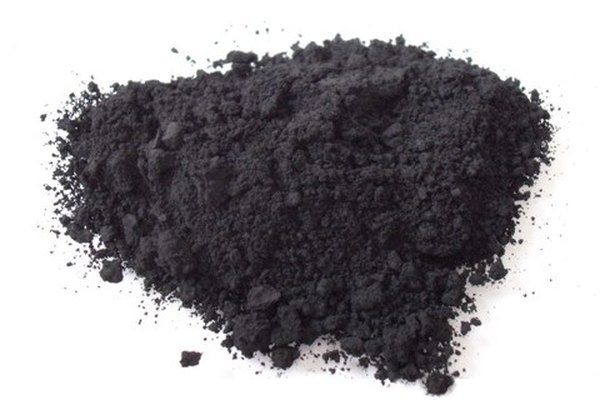
Chemi Tech makes polymeric dispersants for water-based colour pastes, paint tinting and ink colouring systems, from the dispersant KMK-210 series. Which grade to use depends on the pigment type, its surface treatment and the target pigment content. KMK-216 is particularly effective on carbon black, cutting the forces acting between the carbon black particles so that jetness and tinting strength come up and grinding time comes down as well. For ink systems KMK-219 is the closer fit, while KMK-309 is the type most often used in water-based resin-free pigment concentrates. Send over the paste formulation skeleton and the target content and we will run those items against each other before giving you a position, which saves you working up grade by grade on your side.
Advantages of Chemi Tech Dispersants
The Chemi Tech KMK-210 series grades hold the pigment surface through their anchoring groups and stay attached under high-shear grinding, and that layer is exactly where a high-concentration system most often fails. The viscosity reduction is substantial as well: at the same pigment content the paste flows properly, the bead mill can work it and the current holds steady. There is further breadth on carbon black and organic pigments, so changing pigment does not mean rebuilding the formulation from scratch. The ground paste also stores stably, with no re-agglomeration and no flooding or floating after a month, and the shade top to bottom of the tank stays consistent. Dosage runs at a small percentage of the pigment weight, so the overall cost sits a step below imported options. A note from Chemi Tech: the behaviour above comes from a typical high-concentration water-based colour paste condition. Change the pigment type or its surface treatment and the results move. Confirm on a small trial before scaling up.
Industry Pain Points and Solutions
Most of the thickening and drifting in a colour paste is not in the bead mill. It is in whether the dispersant can actually hold onto the pigment.
Watching viscosity and ignoring fineness is the first trap. The viscosity comes down but the fineness never gets there, so the finished paint falls short on hiding power and the customer spots it immediately. Our approach is to put viscosity and fineness on the same gradient table and clear both together.
Change the pigment and leave the formulation alone, and grinding efficiency quietly drops a step. Switching one colour to a different supplier brings a different surface treatment, the existing dispersant no longer holds the new pigment, and the accounts are read afterwards as though the equipment were at fault. Our approach is to run every pigment currently in use through its own round of anchoring verification and let the formulation follow the pigment.
A paste that looks right on the day it is discharged and re-agglomerates after a month is the one most easily missed. Shade and fineness both pass at discharge, then a month later it re-agglomerates and floats, and the complaint only surfaces once it reaches the tinting centre. Our approach is to bring heat storage stability into the verification set and let the shelf life settle it.
From gradient bench work through to the bead mill pilot and on to dosage rate and grinding parameters, we recommend the product against your actual requirements.
Typical Conditions and Verification
Customer: a water-based colour paste producer in Guangdong, for the grinding stage on carbon black black paste.
The plant wanted to raise the pigment content of its black paste to cut packaging and freight. A first round brought current alarms and fineness below spec; after rolling back, the batch-to-batch shade was still unstable and the tinting centre reported it from time to time. The solution Chemi Tech dispersants provided was this: working from the carbon black surface treatment and the resin system, KMK-212 was selected from the KMK-210 series, a blank comparison was run first to confirm where the problem actually sat, and the bead mill pilot followed. After the change the pigment content went up a grade, the grinding current came back into its normal band, single-tank throughput rose by roughly thirty per cent, and the retained sample showed no fineness or shade drift after a month. Quality control is satisfied with what the product delivers.
FAQ
If we change pigment supplier, does the dispersant have to change as well?
Not necessarily, but it does have to be verified. Once the pigment surface treatment changes, a dispersant that used to hold may no longer hold, and both grinding efficiency and shade are affected. What we do for colour paste plants is run the pigments currently in use through a round of anchoring comparisons, then let the data settle whether the formulation needs to move. Chemi Tech's technical department selects the dispersant best suited to you.
Give the paste formulation skeleton and the target pigment content to our technical engineers, and the anchoring comparison and the process sheet come back together.