
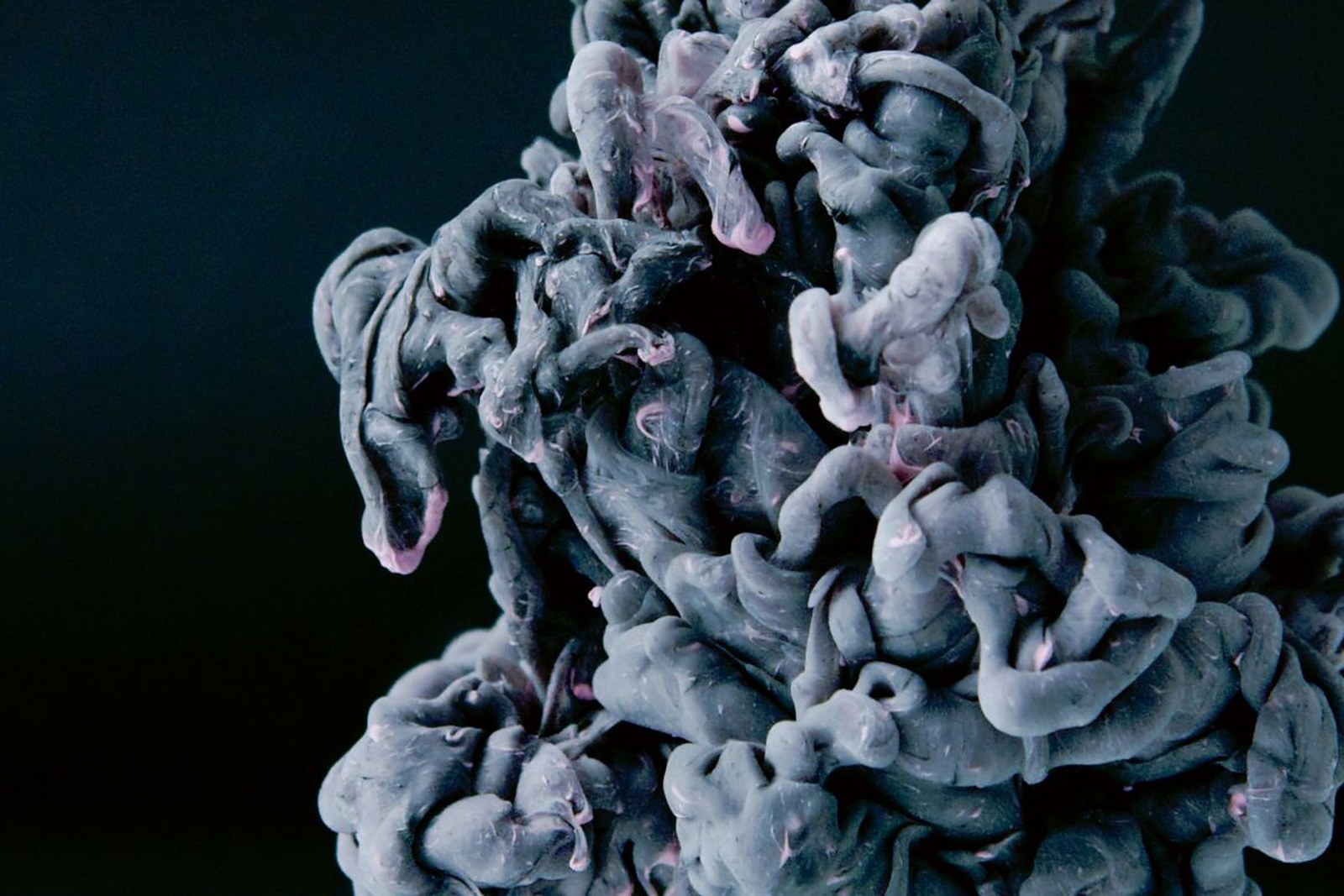
Black pigment dispersed in a liquid
Once high-shear grinding of carbon black paste is scaled up, the carbon black particles clump together again in the high-viscosity paste, readings on the grindometer bounce back repeatedly, the jetness and hue of the black paste drift with them, and the stability of downstream colouring batches slides day by day.
Chemi Tech has introduced the KMK-210 series dispersant for waterborne colour pastes and ink colouring systems, among which KMK-216 performs outstandingly on carbon black, with the dosage adjusted flexibly according to paste solids and grinding intensity. This grade grips the carbon black surface through anchoring groups and does not desorb under high-shear grinding, delivering viscosity reduction and colour strength at the same time. Using measured data on paste fineness and storage stability as the basis, an adapted KMK-216 dosage can be defined.
Advantages of Chemi Tech Dispersants
Chemi Tech KMK-210 series dispersant is configured for carbon black paste systems. Anchoring is firm, so carbon black particles do not re-flocculate under high-shear grinding and fineness falls steadily; the viscosity-reduction effect is significant, and grinding current levels out once paste flow improves; dispersion stability is outstanding, with no re-thickening and no black floating during storage, so jetness holds steady; adaptability to carbon black and organic pigments is broad, so no frequent adjustment is needed after a grade change; and the dosage is economical, adjusted flexibly to paste solids, so a black paste reaches specification in a single grinding pass.
Industry Pain Points and Solutions
Dispersion problems in carbon black paste arise mostly from the combined action of the large specific surface area of carbon black and insufficient grinding shear, and the consequences are concentrated in two places: fineness bouncing back and re-thickening in storage.
Fineness that keeps bouncing back slows the grinding rhythm and drags down batch stability. With the KMK-216 dosage set by grinding intensity, fineness can be driven down to target in a single pass.
Re-thickening lets the black paste float and clump after standing, and the hue drifts when it is let down downstream. KMK-216 anchors firmly and can effectively eliminate the re-flocculation of carbon black.
Rework in grinding and let-down converts into equipment time and material loss. By tying the dosage band to changes in paste solids and grinding intensity, the paste stays stable without re-thickening through its storage life.
Typical Operating Conditions and Verification
Customer case: a waterborne colour paste manufacturer in Guangdong, for the bead-milling stage of carbon black paste.
After the plant changed its carbon black grade, the fineness of its black paste bounced back frequently, black floated and clumped after storage, and hue complaints from downstream customers increased. After a comparison test on paste fineness and storage stability, KMK-216 was adopted as the dispersant for the carbon black paste, with the dosage set by paste solids. After the change, paste fineness came down to target in a single pass; no re-thickening and no black floating occurred during storage; jetness and hue of the black paste held steady, and downstream complaints fell noticeably.
Frequently Asked Questions
Once the carbon black grade changes, does the dispersion system have to be re-established?
First work out how much of the grinding fineness is lost to carbon black particles clumping back together. KMK-216 has completed grinding and storage comparison tests across several carbon black grades, and within the recommended range fineness stays stable. The actual dosage takes paste solids as the baseline, with grinding intensity and grinding time corrected item by item; Chemi Tech sets an adapted dosage through a parallel comparison of paste fineness and storage stability.