
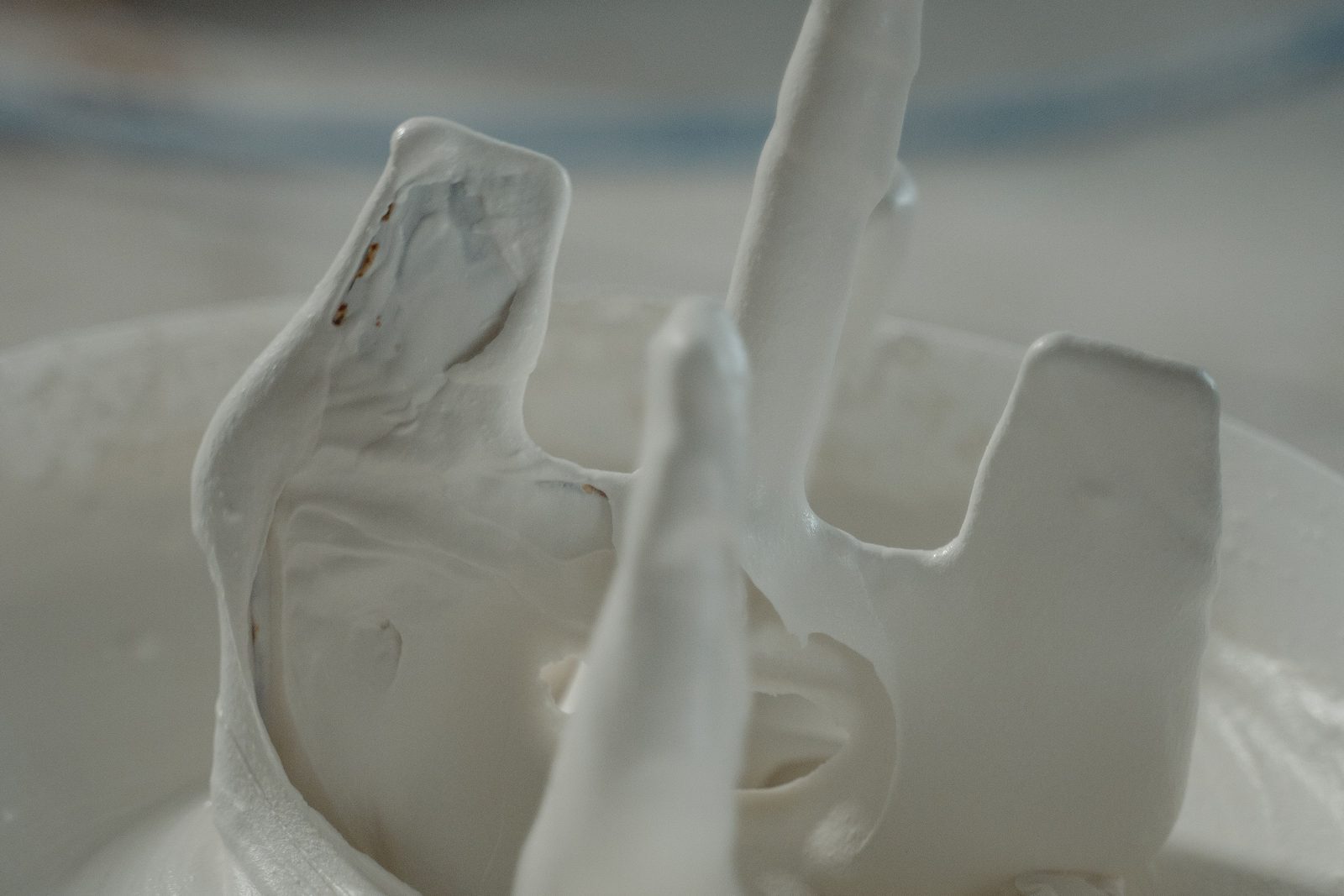
Fine foam left over from high-shear dispersion hangs in the batch overnight and does not go away. The volume that foam occupies on the filling line ends up as underweight packs and complaints about swollen drums.
Chemi Tech makes defoamers for water-based industrial coatings, emulsion paints, wood coatings and water-based ink systems, from the KM series defoamer line. Which grade to run depends on the resin system, the pigment and filler make-up and the application method. The grind and dispersion stage needs foam held down; the film-forming stage needs bubbles to escape. Those two demands pull against each other by nature, and roller coating is low shear while spraying is high shear, so they have to be calculated separately. Send us the formulation sheet and we will first work out which stage the conflict sits in, then tell you which grade to use.
Chemi Tech Defoamer Advantages
The KM series defoamer grades are compatible with acrylic and polyurethane emulsions alike. They do not cloud the batch and they do not cause cratering in the film, which is the one thing a coatings plant fears most. Production defoaming and application deaeration are covered by the same product: the grind stage is held down and bubbles still escape during film formation, so the surface does not carry fish eyes. Foam hold is long enough that a filled pail opened after six months on the shelf shows nothing on top, which is real confidence on shelf life. Dosage runs at 0.1 to 0.3 percent of total formulation weight, so the cost works out. And in water-based systems they go in directly, without pre-dilution, which removes a step in the plant.
A note from Chemi Tech: the figures above come from typical water-based coating conditions. Change the resin or the pigment and filler system and the results move. Run a small-scale trial before scaling up.
Industry Pain Points and Solutions
Foam in a coatings plant dies twice: once in the production tank, and once after the customer has put it on a wall.
The first is the tug of war between defoaming and cratering. Strong defoamers disturb the surface tension of the wet film, and after curing the panel is covered in fish eyes, so you repaint one wall to fix another. Our approach is to compare compatibility and defoaming strength inside the same gradient series rather than admiring a single number on its own.
The second is verifying only in production. The tank comes out perfectly clear, then the coating goes through a roller, gets sheared and the foam is back. A defect that shows up on a customer's job site still traces back to the formulation. Our approach is to verify the application method together with the formulation, drawing down one panel by roller and another by spray.
The third is foam returning in storage. The batch passes outgoing inspection, then sits three months in a customer's warehouse and shows a layer of foam when the pail is opened, and the complaint arrives anyway. Our approach is to put heat storage and cold storage into the verification scope and to answer to the shelf life the customer actually needs.
Those three steps are ours to walk with you: a compatibility gradient against your formulation first, then a drawdown round for each application method, and finally the dosage and the addition stage settled together. What lands on your formulation sheet is one line.
Typical Conditions and Verification
Customer: a water-based industrial coatings manufacturer in Guangdong, applied to the dispersion tank and the filling line.
A batch of water-based steel structure paint at this plant foamed up into the metering nozzle during filling, packs came out underweight batch after batch, and swollen-drum complaints started coming back from customers. The solution Chemi Tech's defoamer team provided was: comparison work on millbase and finished paint; two grades taken from the KM series, dosed at the grind stage and again at the let-down stage; and a round of heat storage plus roller drawdown verification before the change went to the line. After the change the filling line no longer stops to wait for foam, a shift gains more than forty minutes of capacity, and a retained sample opened at three months still has a flat surface. The metering nozzle on that line now goes a week without being taken off for cleaning.
FAQ
How much defoamer should I add, and will it affect film formation?
There is no universal number. Too much and you get cratering, too little and the foam comes back, and copying someone else's parameters usually does not transfer. Our approach is to run it as a gradient comparison starting below 0.1 percent, judging film appearance and storage stability together. Give the formulation sheet and the application method to our technical team and the gradient plan comes back with the drawdown conclusions. If your line schedule is tight, we put you at the front of the queue.