
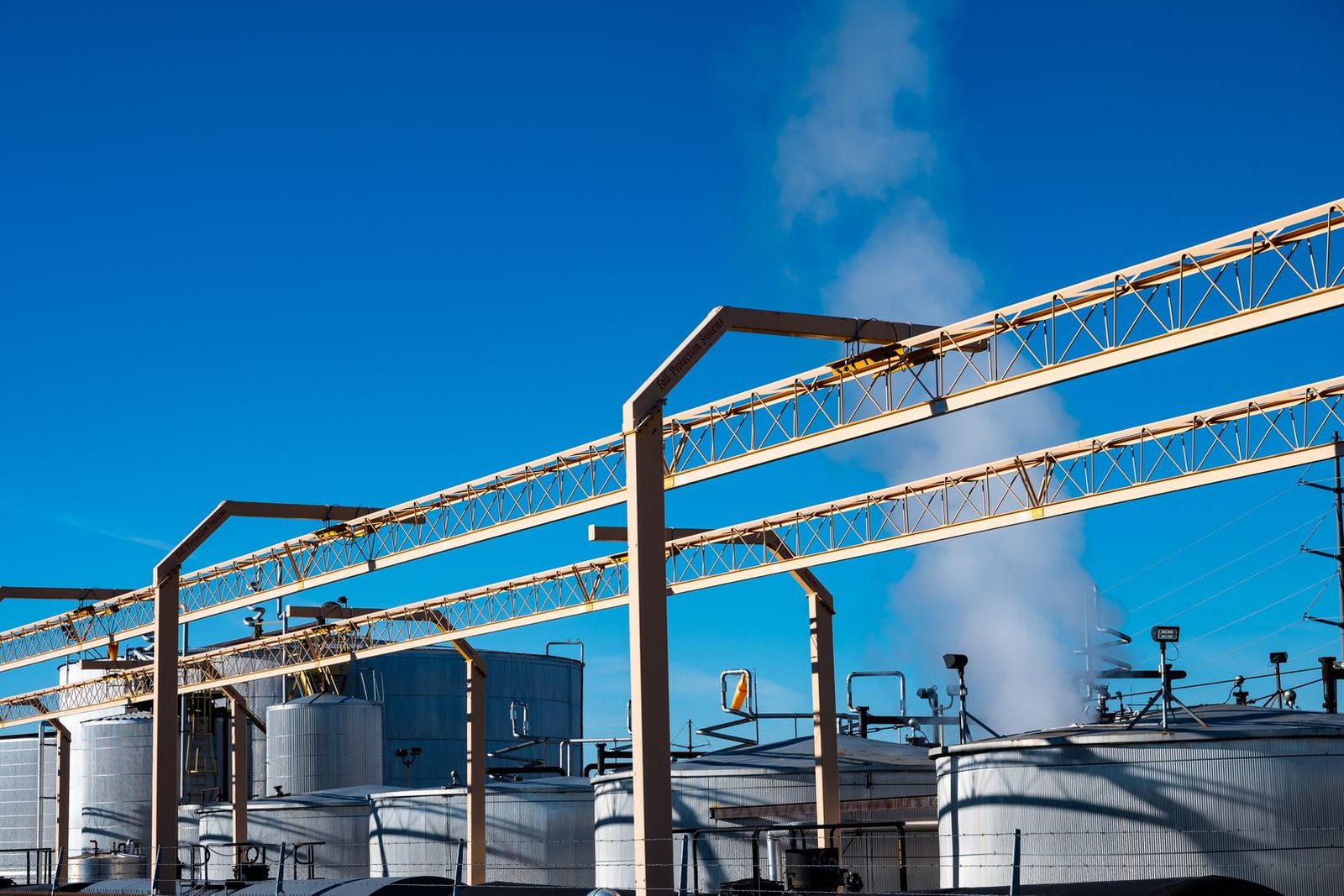
A real-shot of the separator and piping at an oilfield combined station.
Once crude water cut rises or throughput is ramped up, the foam layer in the combined-station separator climbs quickly, the natural gas line carries more liquid, and separation efficiency and export metering come under pressure at the same time.
Chemi Tech builds the KM-1210 series defoamer for oilfield production and oil-gas separation systems, with dosage adjustable to crude water cut and throughput. This grade is configured for foam from drilling through injection and recovery, resists heat and salt, and keeps breaking foam without fading in high-salinity produced fluid. Against measured data of separator level and export carryover, the precise dosage of the KM-1210 series can be set.
Chemi Tech Defoamer Advantages
The KM-1210 series defoamer from Chemi Tech is configured for oilfield production and oil-gas separation systems. Foam breaks fast, so the separator foam layer is flattened before the gas-liquid interface; antifoam endurance is long, and the level does not rebound during ramped-up throughput; heat resistance is stable, with antifoam capability held across the settling-tank temperature band; salt and salinity resistance is solid, and foam still breaks without fading in high-water-cut produced fluid; compatibility with the crude system is excellent, with no oil separation and no wall fouling, so metering and export are not disturbed; and dosage is economical, set against crude water cut, so chemical cost can be accounted for directly.
Industry Pain Points and Solutions
The foam problem in oil-gas separation, at root, comes from the combined action of shortened gas-liquid separation time after ramp-up and antifoam components that fail in high salinity, finally concentrating in two places: unstable separator level and export carryover.
The foam layer lifts the liquid level, the separator's level instrument reads falsely, and the control valve misacts frequently. With KM-1210 dosage set against crude water cut, the level in the vessel can be pressed steadily back into the operating band.
Natural gas carries foam liquid into the export line, and metering deviation along with vibration in the downstream compressor units follows. KM-1210 breaks foam fast, foam is removed in the separation section, and export gas quality stays stable.
The balance between dosing cost and separation performance finally lands in the shift log. Against changes in crude water cut and throughput, the dosage can be narrowed to an accountable band, directly cutting chemical waste.
Typical Duty Cases and Verification
Customer case: an oilfield service company in Shandong, applied in the combined station's oil-gas separation and crude settling section.
After ramp-up the separator foam layer climbed quickly; the natural gas outlet line carried liquid intermittently; the level control valve acted frequently. The previous defoamer faded markedly in high-salinity produced fluid. After comparing level and carryover, the station set KM-1210 as the replacement, with dosage set against crude water cut. After the change, the separator level steadied; export carryover disappeared; the control valve returned to normal action, and the per-shift dosing quantity fell with it.
Frequently Asked Questions
Produced-fluid salinity and separation temperature both vary. Can the defoamer's foam-breaking speed hold?
It all comes down to whether the antifoam components resist high salinity and keep their breaking speed at separation temperature. KM-1210 has completed comparative measurement of separator level and export carryover in high-water-cut produced fluid; within the recommended range foam breaks without fading, with no oil separation and no wall fouling. Actual dosage is set on crude water cut as the baseline, corrected for throughput and separation temperature; Chemi Tech sets the precise dosage through parallel comparison of separator level and export carryover.