
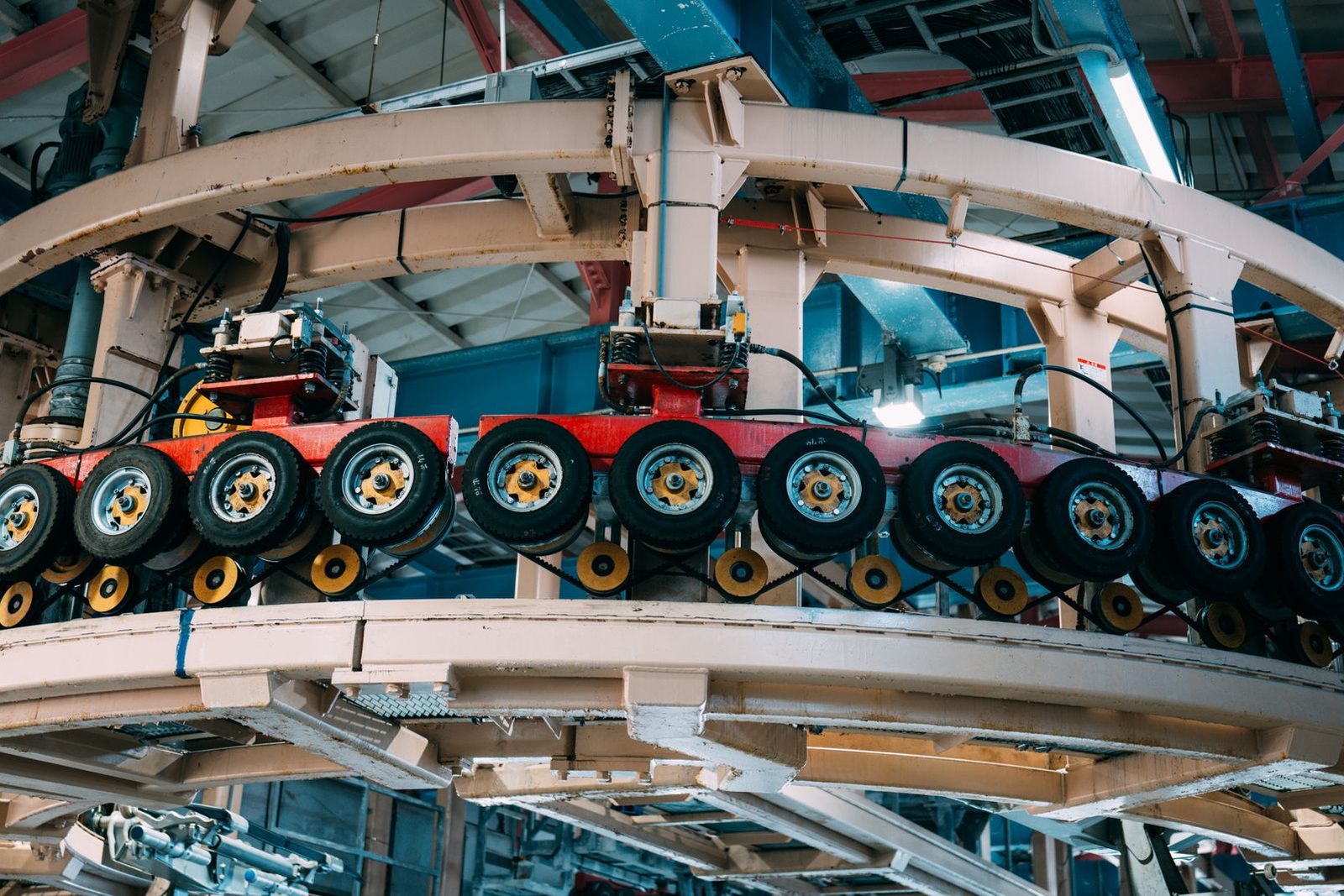
A real-shot of spraying robots on an automotive coating line.
Once waterborne automotive paint fails to level in time during wet-on-wet multi-pass spraying, the wet film sets within the flash-off window; orange peel repeats from body to body, and polishing rework hours along with the topcoat refinishing rate climb together.
Chemi Tech builds the KMP-4045 series leveling agent for waterborne automotive paint and industrial coating systems, with dosage adjustable to the number of spray passes and wet-film thickness. This grade is a leveling agent for waterborne systems: it lowers dynamic surface tension markedly, the wet film spreads fully within the flash-off window, and recoat interfaces keep out craters and edge marks. Against measured data of orange peel rating and gloss readings, the suitable band of the KMP-4045 series can be locked.
Chemi Tech Leveling Agent Advantages
The KMP-4045 series leveling agent from Chemi Tech is configured for waterborne automotive paint systems. Surface tension reduction is marked, dynamic spreading during spraying is full, and panel ripple narrows visibly; compatibility is excellent, blending with waterborne resin systems without craters or fisheyes; recoat adaptability is good, leaving intercoat adhesion in wet-on-wet interfaces unaffected; the leveling window is wide, with spreading capability held through the flash-off time; panel distinctness of image improves and gloss readings turn consistent; and dosage is economical, set against the number of spray passes, directly lowering polishing rework cost.
Industry Pain Points and Solutions
The leveling problem in waterborne automotive paint, at root, comes from the combined action of stacked multi-pass wet films and accelerated flash-off, finally concentrating in two places: elevated orange peel rating and defects at recoat interfaces.
The wet film enters flash-off before it can level, orange peel sets from body to body, and the ripple under raking light is hard to hide. With KMP-4045 dosage set against the number of spray passes, the wet film can spread fully before flash-off.
Local tension differences induce craters and edge marks, and recoat-interface adhesion fluctuates with them. KMP-4045's even spreading presses craters and edge marks down in the spray booth itself.
Polishing rework hours tie directly to the topcoat refinishing rate. Against changes in spray passes and wet-film thickness, the dosage can be narrowed to an accountable band, directly lowering rework cost per body.
Typical Duty Cases and Verification
Customer case: an automotive parts company in Anhui, applied on the waterborne basecoat line for bumpers.
After wet-on-wet spraying was sped up, orange peel did not ease with process parameter adjustment, and ripple repeated from body to body under raking light. The previous leveling agent spread poorly in the fast-flash system. KMP-4045 was set as the line's leveling plan, with dosage set against spray passes and wet-film thickness. Panel performance after the switch: the orange peel rating fell visibly; gloss readings turned consistent; and polishing rework hours declined with them.
Frequently Asked Questions
With short intervals between passes, will a leveling agent affect intercoat adhesion?
Check it along two leads at once: spreading speed and intercoat adhesion. KMP-4045 has completed comparative measurement of orange peel rating and intercoat adhesion in wet-on-wet duty; within the recommended range spreading is full, recoat interfaces stay free of edge marks, and intercoat adhesion holds stable. Actual dosage is set on the number of spray passes as the baseline, corrected for wet-film thickness and flash-off time; Chemi Tech locks the suitable band through parallel comparison of orange peel rating and gloss readings.