
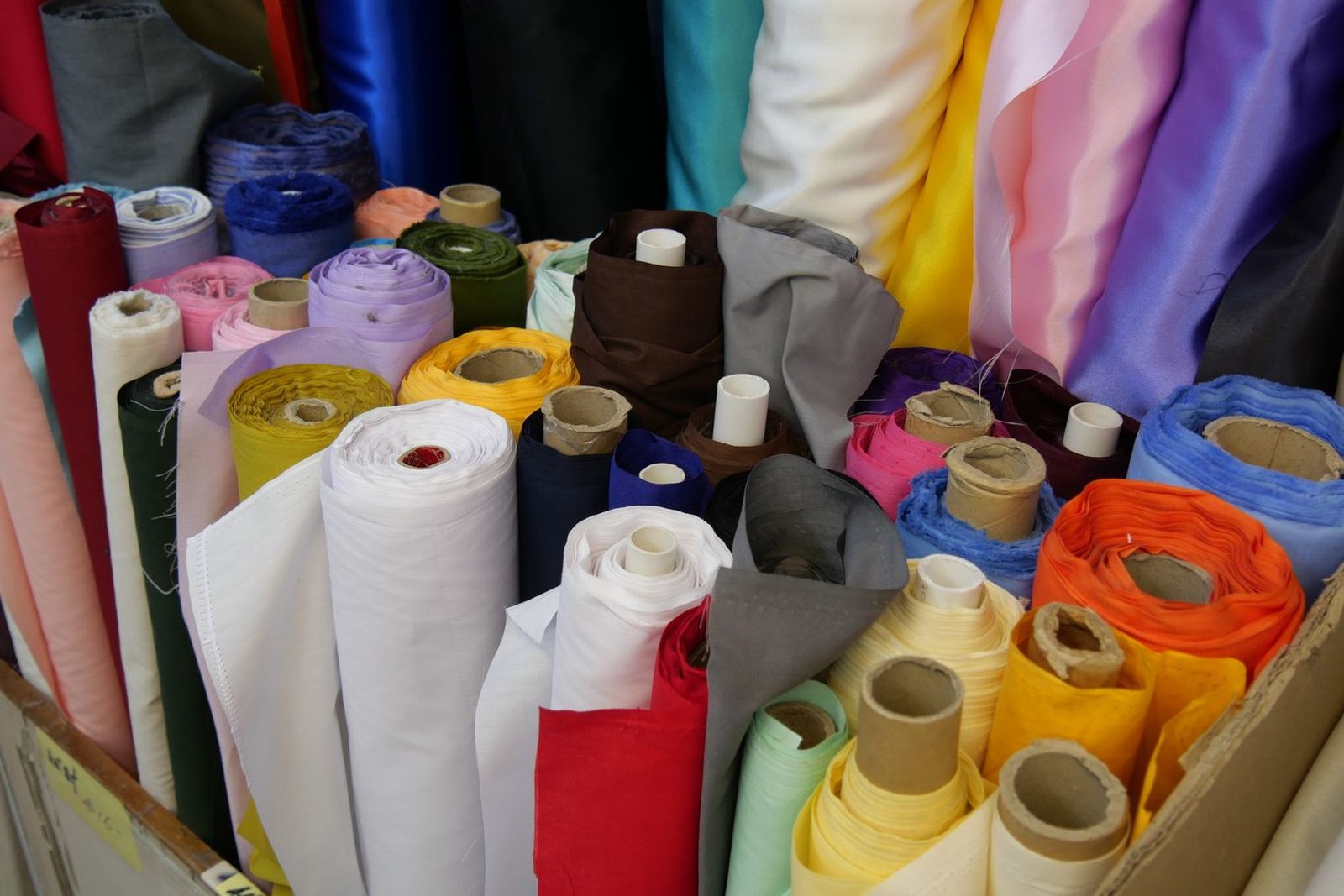
Rolls of fabric neatly stacked inside a cargo box
Polyester tarpaulin passes the water-repellent finish on the pad-bake line; the as-shipped spray rating still meets the standard, yet in continuous rain the fabric wets through first, water seeps beneath the coating along the warp and weft gaps, and the moisture-damage claims from stored goods and the whole-batch rework both land at month-end.
Chemi Tech supplies the KMF-801 series of waterproofing agents for tarpaulin and technical-textile water-repellent finishing; the dosage is adjusted by the wet pickup and curing temperature. KMF-801 forms a continuous film on the fibre surface, with a soft hand that neither stiffens nor feels harsh, and is compatible in the same bath with common binders and softeners. Once the measured data of AATCC 22 spray rating and rain-test wet-mark area are compared, the fitted dosage of the KMF-801 series falls into place.
Advantages of Chemi Tech Waterproofing Agents
The Chemi Tech KMF-801 series waterproofing agent is configured for the pad-bake finishing stage of tarpaulin and technical textiles. The film it forms on the fibre surface is continuous, so water beads up and rolls off the fabric instead of spreading; the hand is soft, and the finished fabric is neither stiff nor harsh, so the tarp still folds and deploys as before; it is compatible in the same bath with common binders and softeners, and the finishing liquor does not separate or float oil; its wash durability is good, and after multiple washes the spray rating still stays within the customer's common threshold; it contains no perfluorinated compounds, so export orders can meet the perfluorinated-detection standard; and the dosage is economical, graded by wet pickup, so the batches sent back for re-finishing fall.
Industry Pain Points and Solutions
The performance problem of tarpaulin water-repellent finishing has its root mostly in the combined action of insufficient wet pickup and a curing temperature that never reaches the crosslinking window, while the fibre beneath the coating still retains a hydrophilic surface, finally concentrating in two places: an initial rating that passes and rain-through in continuous rain.
When the padder pressure runs high, wet pickup is pressed down, the finishing liquor spreads incompletely on the fibre surface, and the film shows breaks. KMF-801 forms a continuous film, the water beads on the fabric stay beaded, and the seepage path is sealed outside the coating.
When the curing temperature never reaches the crosslinking window, the bond between film and fibre is weak, and the first few rains wash away the uncrosslinked portion. Once wet pickup and curing temperature are compared, the dosage of KMF-801 has a firm number, and the bond strength between film and fibre improves.
Rework means running the pad-bake line again, and the fabric's shrinkage and hand changes are hard to bring back to the original state. With the dosage graded by wet pickup, the batches sent back for re-finishing drop, and the shrinkage and hand changes no longer repeat.
Typical Operating Conditions and Verification
Customer case: a technical-textile enterprise in Shandong, applied to the pad-bake water-repellent finishing stage of polyester tarpaulin.
The as-shipped spray rating met the standard, yet after two days of continuous rain the fabric wetted through first, water seeping beneath the coating along the warp and weft gaps; the rain-test wet-mark area widened pass by pass, and the warehouse party claimed by the batch. Comparing wet pickup and curing temperature, KMF-801 was chosen for the plant, the dose taken in separate grades by fabric grammage and stenter speed. After it went in, the water beads on the fabric stayed beaded and rolled off; the rain-test wet-mark area narrowed; after multiple washes the spray rating still stayed within the threshold, and the batches sent back for re-finishing also fell.
Frequently Asked Questions
After the tarpaulin is given water-repellent finishing, can a stiff hand and hydrostatic-pressure resistance be had at the same time?
To settle where each of these two items lands, you must see whether the wet pickup falls within the crosslinking window of this grade. KMF-801 has completed comparative measured tests of AATCC 22 spray rating and rain-test wet-mark area on tarpaulin and technical textiles; within the recommended range the fabric stays soft and folding and deployment are unaffected. With wet pickup as the baseline and curing temperature and stenter speed as fine adjustments, the spray-rating and wet-mark-area comparison verifies and the dosage is settled.