
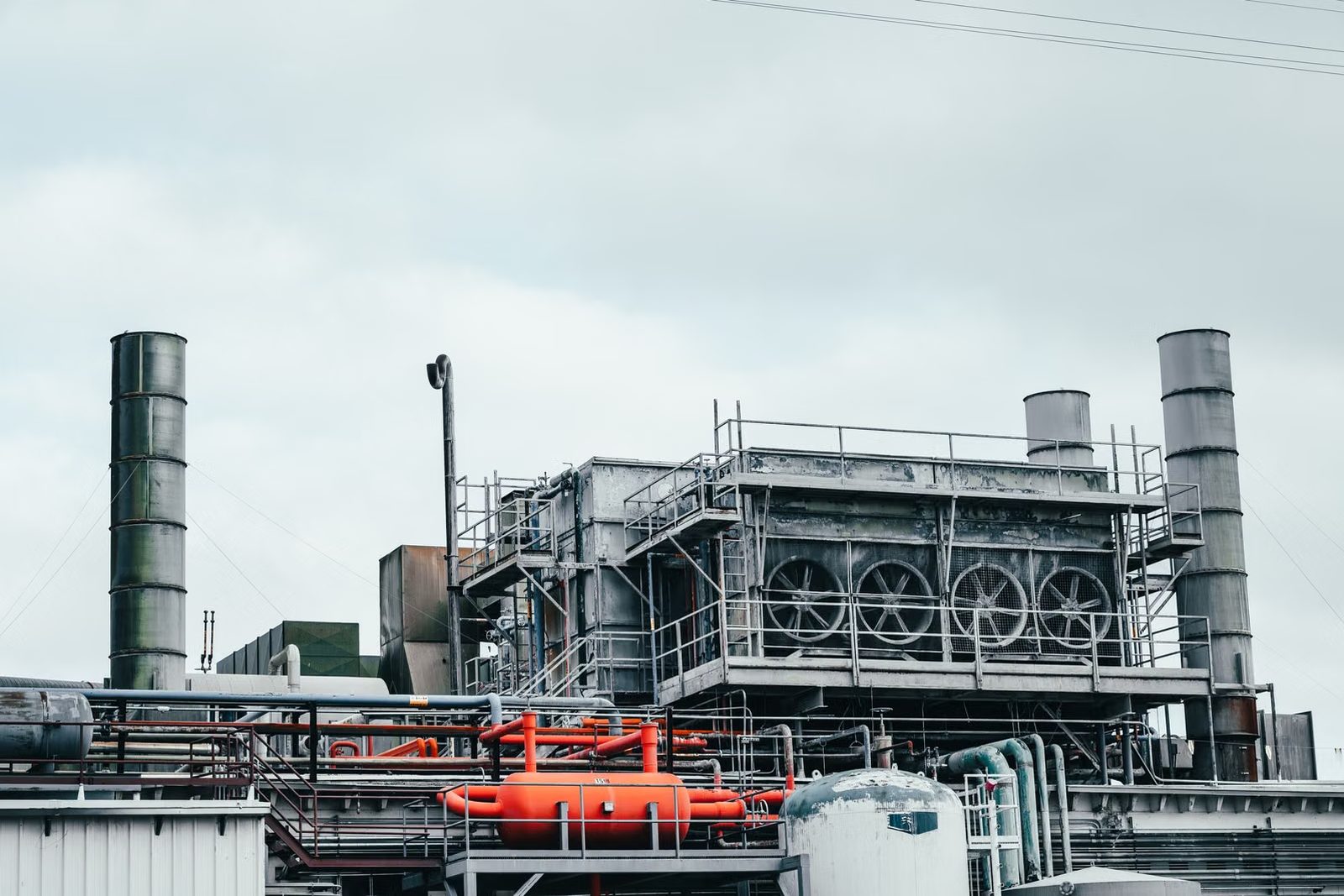
Metal piping and supports extending along the installation inside the plant area
After the alkaline spray cleaning line is sped up, foam on the tank surface is stirred up by the high-pressure nozzles and overflows the overflow port, residual alkali stains on the workpieces and the conductivity of the rinse water rise together, and the re-washing volume of the downstream phosphating step is pushed up accordingly.
Chemi Tech has introduced the KM-502 series of defoamers for the alkaline spray cleaning and rinsing stages of hardware parts; the dosage is adjusted flexibly by spray pressure and bath alkalinity. This grade is a transparent emulsion of modified polysiloxane; it resists strong alkali and acts fast, the bath liquor stays clear without turbidity, and it leaves no silicone spots on workpiece surfaces. The measured data on foam-layer thickness on the tank surface and on spray-pump current fluctuation are compared side by side, and the line selects the corresponding grade by the different requirements of alkalinity and spray pressure.
Advantages of Chemi Tech Defoamers
The Chemi Tech KM-502 series defoamer is configured for alkaline spray cleaning lines for hardware parts. It resists strong alkali and does not decompose or fail in high-alkali bath liquor, and the cleaning power does not decline because of dosing; the defoaming speed is fast, and foam stirred up by high-pressure spraying dissipates before the liquor returns; its compatibility is excellent, the bath liquor stays clear without turbidity, and workpiece surfaces are left free of silicone spots; compounded with common cleaning auxiliaries in the same tank it causes no precipitation or flocculation, and the conductivity readings in the rinsing stage are not disturbed; and its foam-suppression duration is long-lasting, with the number of replenishments in a shift noticeably reduced.
Industry Pain Points and Solutions
The root of foaming on a spray cleaning line lies mostly in the combined effect of surface-active substances brought in by high bath alkalinity and the high-pressure shear at the nozzles, while entrainment in the returning liquor of the rinsing stage further stabilises fine bubbles on the tank surface, finally concentrating in two places: the foam layer on the tank surface and residual alkali stains on the workpieces.
After the spray pressure is turned up, the nozzles draw air into the bath liquor, foam at the pump return port builds up first, and the spray-pump current climbs accordingly. KM-502 withstands high shear; once the spray-pressure and circulation-flow readings are set, its fitted dosage is re-rated by the tempo of that line, and the foam-layer thickness on the tank surface is brought below the overflow port.
When bath alkalinity rises, the alkali film carried out by the workpieces is hard to rinse off in the rinsing stage, and surface residual alkali stains and the count of re-washed pieces rise together. KM-503 performs consistently in defoaming across both the strong-alkali and medium-alkali grades; once the alkalinity and rinse-water conductivity readings are checked together, the precise dosage is graded at once; by comparison, the conductivity readings of the high-alkali tank section fall into the same interval as those of the medium-alkali section, and the count of re-washed pieces no longer climbs shift by shift with alkalinity.
With low-foam residues in the rinsing stage, the most easily disturbed is the uniformity of the downstream phosphate coating. The KM-502 series acts fast and resists strong alkali, adding no extra rinsing cycles on this item; with the pressure, alkalinity and rinse-conductivity readings brought together, the precise dosage of that line is written into the shift dosing record, and the spraying section executes by the table.
Typical Operating Conditions and Verification
Customer case: the spray cleaning workshop of a hardware products processing plant in Guangdong, applied to the alkaline spray cleaning and rinsing stages.
Before the switch in this plant, foam on the tank surface overflowed the overflow port with every speed-up, and residual alkali stains on workpiece surfaces had to be cleaned manually by supplementary washing before phosphating. KM-502 was selected as the defoaming grade for the cleaning section of that line, with the dosage rated by spray pressure and bath alkalinity. After commissioning, the front and rear sections of the cleaning line were logged side by side: the front section at the original dosage and the rear section at the rated dosage; the conductivity readings of the front section still rebounded near the pass line, while those of the rear section and the foam-layer thickness on the tank surface converged; the pump current in high-alkali periods returned to a stable interval, and the count of manually supplementary-washed pieces fell back.
Frequently Asked Questions
Will dosing a defoamer into an alkaline spray cleaning line throw the cleaning power of the bath liquor off course?
It is a matter of working out how much each of the two clues, alkalinity and spray pressure, amplifies the foam. The KM-502 series resists strong alkali and acts fast, and when compounded with common cleaning auxiliaries in the same tank it causes no precipitation or flocculation; the measured data on foam-layer thickness and rinse-water conductivity are checked out section by section by Chemi Tech on the same cleaning line. When alkalinity or spray pressure changes, the actual dosage is referenced to the shift readings; Chemi Tech checks the two sets of data together and settles the precise dosage.