
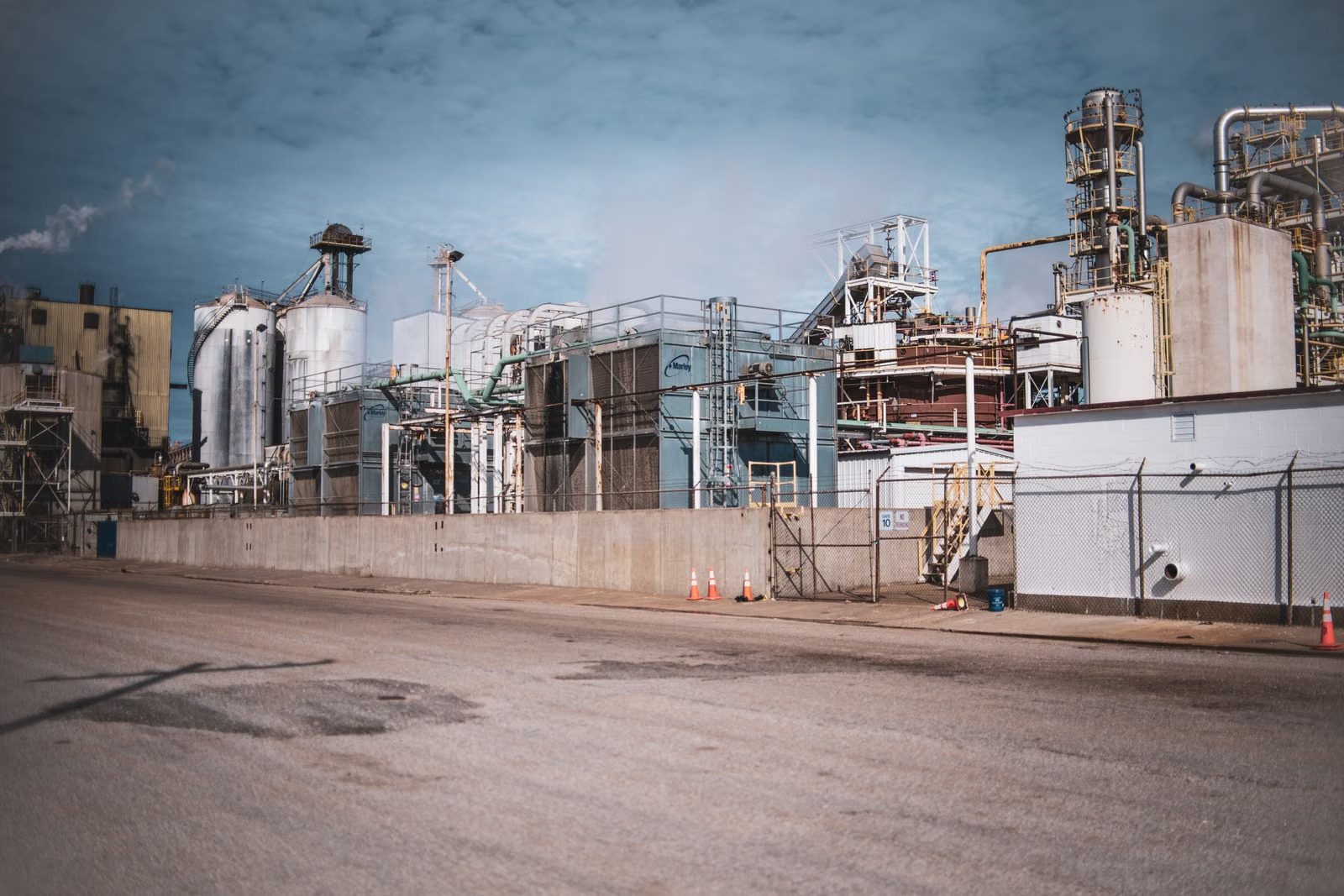
Silos and pipe racks of an industrial plant merging into one across the open ground
Microbubbles in the blending kettle that are not broken down pass into the filling line with the base oil; fluctuations in the flowmeter reading and deviations in the net content of the drums follow in succession, and the number of re-weighing rounds in the outgoing inspection piles up in the finished-goods warehouse.
Chemi Tech has introduced the KM-866 series of defoamers for lubricating-oil blending and filling systems; the dosage is adjusted flexibly by base-oil viscosity, blending temperature and filling flow rate. This grade has excellent compatibility in the oil, breaks foam fast without precipitating, does not compete with antioxidants or detergent dispersants for adsorption sites, and leaves the demulsibility and air-release value of the oil undisturbed. The measured data on foam-layer height in the blending kettle and on filling metering deviation are set side by side, and the fitted dosage of the KM-866 series is settled from them.
Advantages of Chemi Tech Defoamers
The Chemi Tech KM-866 series defoamer is configured for blending kettles and filling lines. Its compatibility is excellent and it does not precipitate in base-oil systems; the defoaming speed is fast, and surface microbubbles fall back visibly once blending agitation stops; its foam-suppression duration is long-lasting, so no extra replenishment rounds are added when the filling flow rate is raised; it does not compete for additive adsorption sites, so the demulsibility of the oil is not changed by dosing; the dosage is economical, graded by base-oil viscosity; and the air-release value stays stable and controllable while the fluctuation amplitude of the flowmeter reading narrows markedly.
Industry Pain Points and Solutions
The root of air entrainment in blended oil lies mostly in the combined effect of high base-oil viscosity and a rising blending temperature, while the high shear of the transfer pump further stabilises microbubbles at the liquid surface inside the kettle, finally producing two problems: metering deviation and increased re-weighing.
When base-oil viscosity runs high, fine dense microbubbles first gather at the liquid surface of the blending kettle and the filling flowmeter reading fluctuates in step. KM-866 has excellent compatibility; once the two readings of base-oil viscosity and blending temperature are set, its dosage is re-rated by the batch volume, and the metering deviation is brought back within tolerance.
After the filling flow rate is raised, the entrained air in the pipeline rises in step, and the deviation in net content of the drums and the number of re-weighing rounds climb together. KM-866 does not lose foam-breaking speed in the oil; the two sets of data, foam-layer height in the blending kettle against filling metering deviation, and flowmeter reading against net content of the drums, are compared side by side, the addition is rated to the fitted grade of that batch, and the net content no longer crosses the limit drum after drum.
When the blending temperature reaches the upper limit, the time for microbubbles to dissipate inside the kettle grows longer and the standing period in the finished-goods warehouse lengthens in step. The KM-866 series does not compete with detergent dispersants for adsorption sites and adds no extra sampling rounds on this item; once the three readings of base-oil viscosity, blending temperature and filling flow rate are gathered, the precise dosage of that batch becomes clear and the blending workshop schedules its charging records at that grade.
Typical Operating Conditions and Verification
Customer case: the finished-goods workshop of a lubricating-oil blending enterprise in Guangxi, applied to the base-oil blending and automatic filling stages.
Before the switch, the filling flowmeter had to be recalibrated once every shift and the deviation in net content of the drums could not long be held below the tolerance limit. After comparison of base-oil viscosity and blending temperature, KM-866 was fitted, with the addition rated by filling flow rate and foam-layer height; foam-layer height in the blending kettle and filling metering deviation were logged by batch, and flowmeter reading against net content of the drums formed a second side-by-side set. After the solution was in place, the metering deviation returned to within tolerance; the net content of the drums no longer crossed the limit drum after drum, and the standing period of finished goods was cut from two days to one day.
Frequently Asked Questions
Will long-term dosing of the KM-866 series into a blending system change the air-release value of the oil?
It depends entirely on whether base-oil viscosity and blending temperature fall within the deaeration margin of that batch. The KM-866 series does not compete with detergent dispersants for adsorption sites; the measured data on blending-kettle foam-layer height and filling metering deviation are given by Chemi Tech from controlled side-by-side measurement of the same blending batch, and dosing at the rated magnitude does not change the original air-release rhythm of the oil. The actual addition is referenced to the filling flow rate, and Chemi Tech gives the fitted scheme of that batch from the side-by-side comparison.